Why MPO's Nutcracker Sold Out: Live Orchestra and Ballet Prove Streaming Isn't Enough
Orchestra & The Arts
•
December 18, 2025
Why MPO's Nutcracker Sold Out: Live Orchestra and Ballet Prove Streaming Isn't Enough
Orchestra & The Arts
•
December 18, 2025
Share
Copy link
Share
Copy link
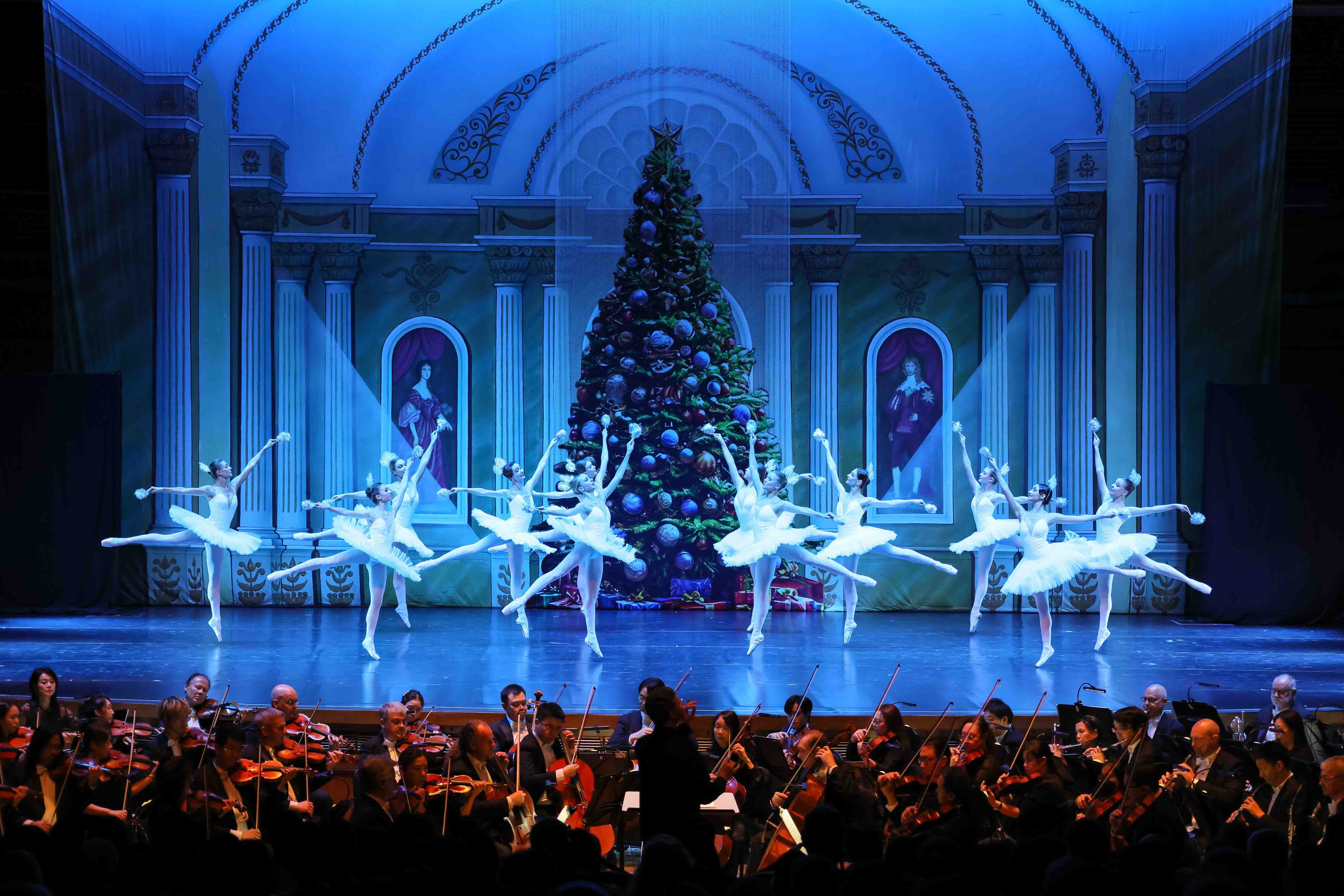
Malaysian Philharmonic Orchestra (MPO) and the National Classical Ballet of Moscow close 2025 with a performance that shows exactly what RM329 to RM639 actually buys at Dewan Filharmonik Petronas. (DFP)
Walking into Dewan Filharmonik PETRONAS on December 13, the first thing you notice isn't the Christmas tree on stage or the dancers warming up in the wings. It's the audience. Families dressed carefully. Couples arriving early. The kind of crowd that understands they're not here for casual entertainment.
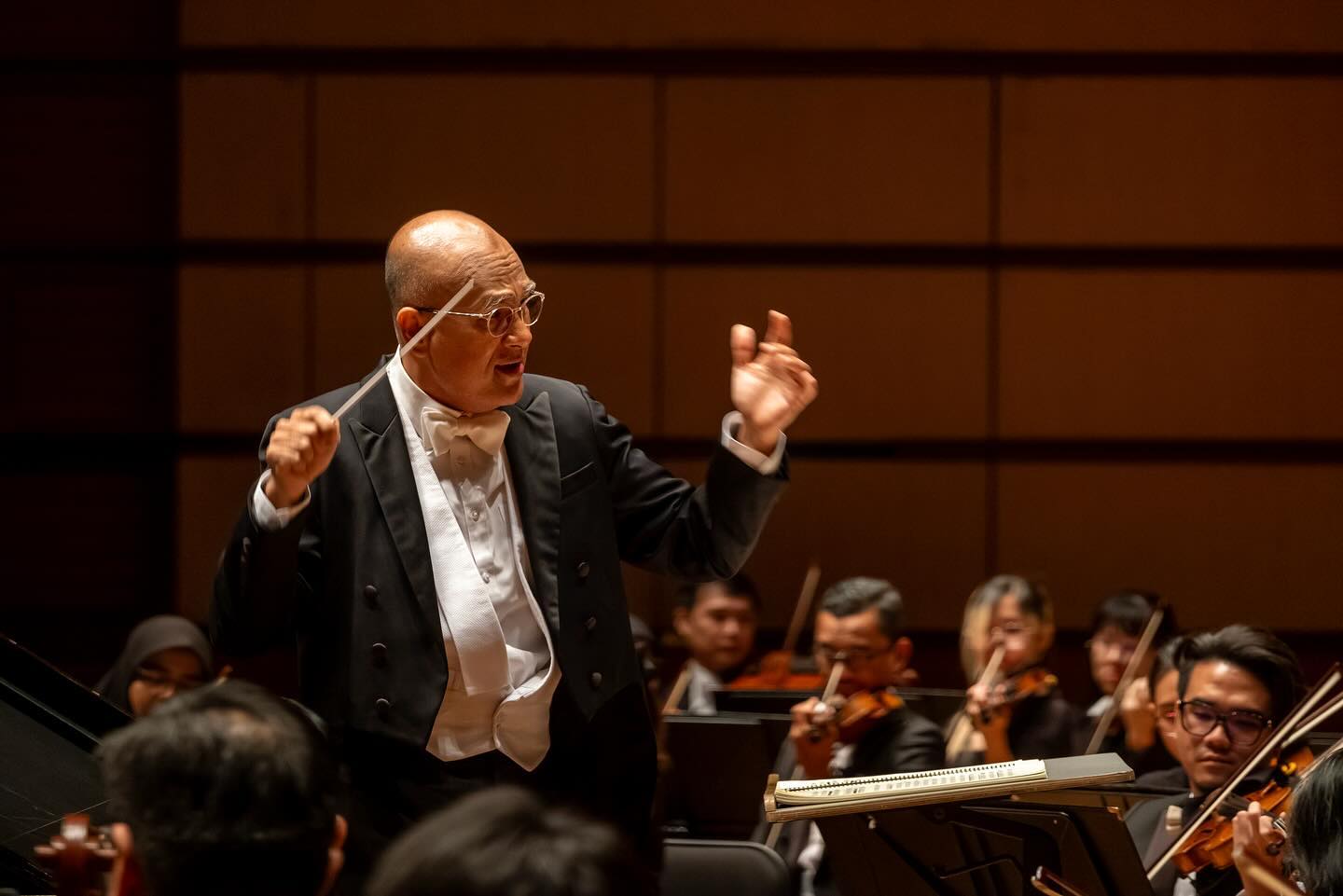
The Malaysian Philharmonic Orchestra's season finale presented The Nutcracker with the National Classical Ballet of Moscow, conductor Stanislav Kochanovsky at the podium. Premium tickets reached RM639. The hall was full. This matters because in an age where you can stream anything, people still choose to pay for this particular experience. The question is why.
Act I: The Party and the Magic Begin
The ballet opens with Clara's Christmas Eve party. The National Classical Ballet brought the expected technical precision, but what stood out was their understanding of character. Professional ballet at this level isn't about individual virtuosity. It's about the corps de ballet moving as one organism, creating the illusion of a living room full of guests rather than dancers executing choreography.
When Clara receives the Nutcracker doll from Drosselmeyer, the orchestra shifts from party music to something more intimate. This is where Tchaikovsky's genius shows. He doesn't just accompany the action. He scores the emotional subtext. The strings drop to piano dynamic, creating space for the moment to breathe.
Then comes the battle with the Mouse King. The music here gets loud and chaotic, but there's structure underneath. Tchaikovsky uses brass fanfares and percussion hits to punctuate the choreography. The MPO's brass section executed this with precision, each attack timed exactly with the dancers' movements. This is harder than it looks because ballet tempo isn't always metronomic. Dancers need milliseconds to complete turns or jumps. The orchestra has to breathe with them.
The Snowflakes: Where Music Becomes Weather
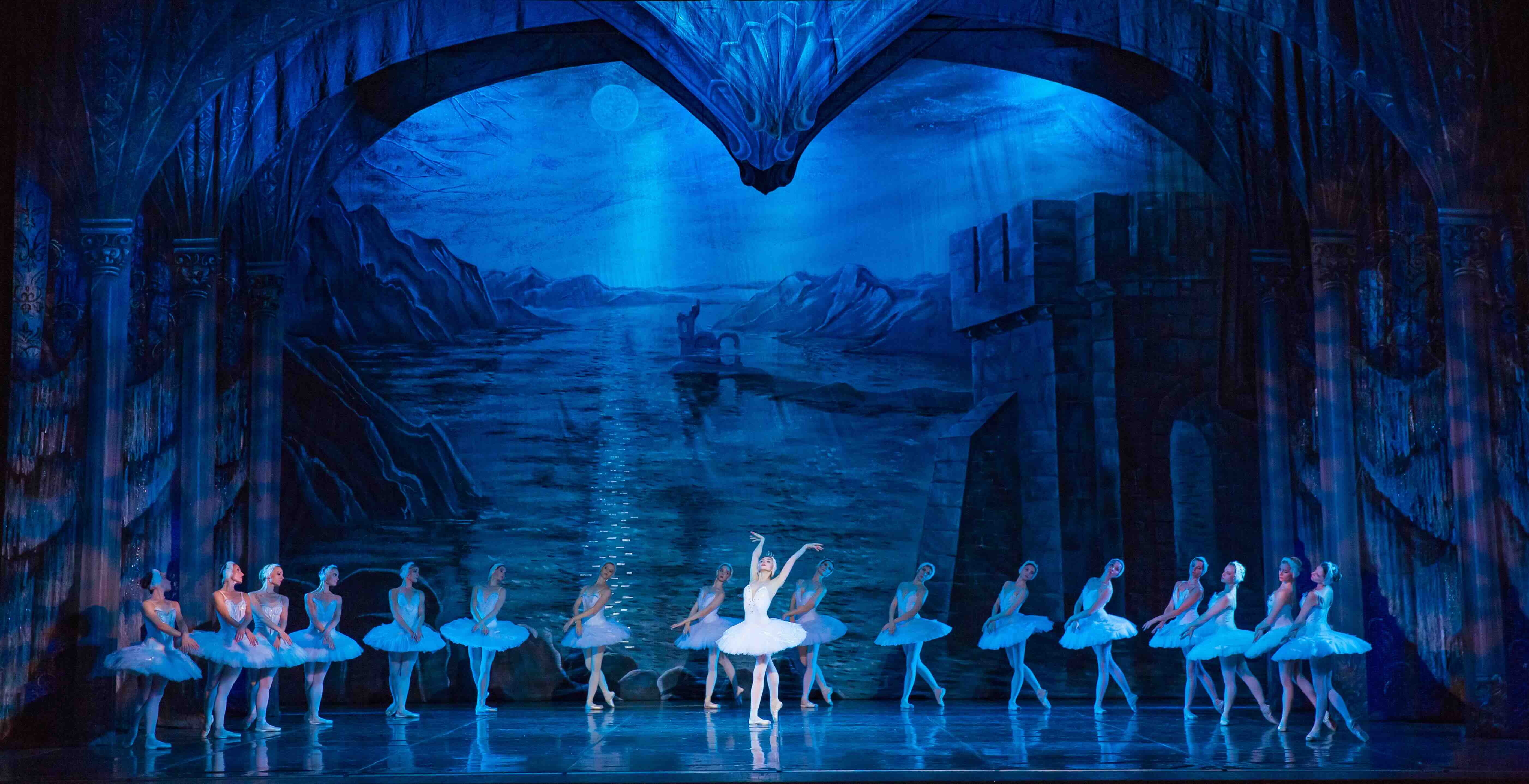
The Snowflakes Waltz closes Act I, and this is where the production revealed its quality. The corps de ballet entered in white tutus, executing what's called pas de bourrée across the stage. This rapid, gliding footwork creates the illusion of floating rather than walking. When done well, it looks effortless. When done poorly, it looks rushed.
The National Classical Ballet's snowflakes understood something crucial: uniformity creates magic. Every dancer held identical arm positions, moved at identical speed, maintained identical spacing. This isn't about individual talent. It's about collective discipline.
Meanwhile, the orchestra was doing something equally subtle. The strings weren't using full bow strokes. They were using short, rapid bow changes that create a shimmering, crystalline sound. This particular technique produces notes that sparkle rather than sustain. Combined with the dancers' fluid movement, the effect was exactly what Tchaikovsky intended: music that sounds like weather.
Act II: The Land of Sweets and What Makes It Work
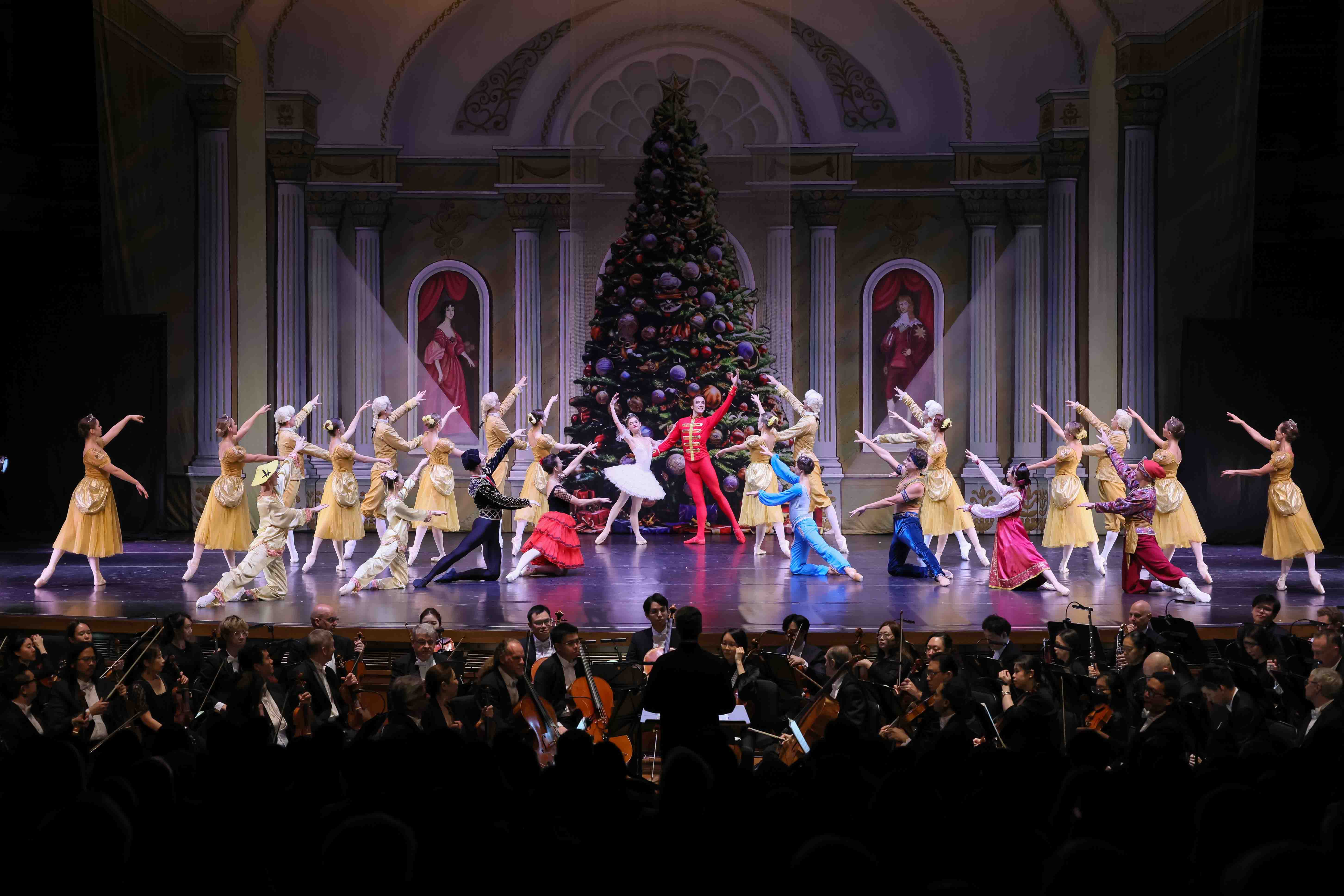
Act II moves to the Land of Sweets, where Clara meets the Sugar Plum Fairy and watches a series of character dances. This is where ballet becomes showcase. Each variation demonstrates different technical demands.
The Arabian Dance featured a solo dancer executing controlled floor work and back bends that require core strength most people don't possess. The Chinese Dance demanded rapid directional changes and quick footwork. The Russian Dance, a trepak, featured the kind of explosive jumps that look easy until you try them.
But the real moment came with the Sugar Plum Fairy's variation. This is the dance everyone recognizes because of the celesta, that bell-like instrument that produces the famous 'cling-cling' sound. What most people don't know is that Tchaikovsky specifically commissioned this instrument for The Nutcracker. He heard it in Paris and wanted it for this exact moment.
The technical challenge for the orchestra here isn't playing the celesta part. It's everything else staying quiet enough. Conductor Kochanovsky pulled the strings back dynamically, creating space for the celesta to speak clearly without forcing it. This kind of restraint requires every musician to sublimate their natural instinct to project.
The dancer executing the Sugar Plum variation demonstrated what professional ballet actually requires: sustained balance on pointe, controlled turns that don't wobble, and the kind of upper body elegance that makes difficult technique look decorative rather than athletic.
The Waltz of the Flowers: Engineering Meets Art
The Waltz of the Flowers is where Tchaikovsky shows what he really understood about orchestration. The piece opens with a harp solo that establishes the key and mood. Then the strings enter with that famous melody everyone recognizes.
What makes this work isn't just the pretty tune. It's how Tchaikovsky layers the orchestra. First violins carry the melody. Second violins provide harmonic support underneath. Violas anchor the middle register. Cellos and basses ground the foundation. Each section has a specific job, and when they execute together with precision, the result is three-dimensional sound rather than flat melody with accompaniment.
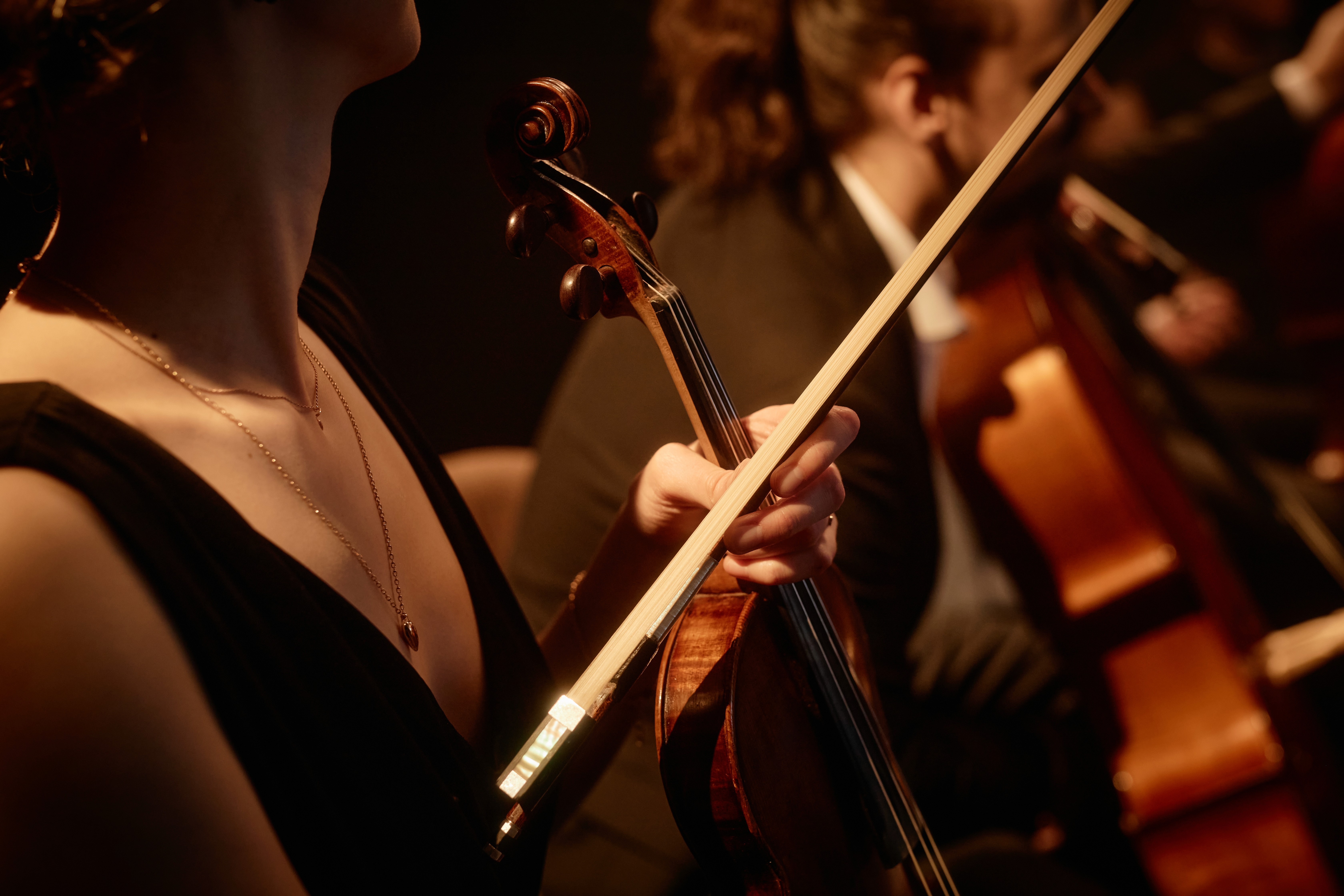
The MPO's string section demonstrated why live orchestra persists even in the age of perfect studio recordings. There's something about sixty musicians breathing together, bowing together, responding to the same conductor in real time, that creates unified sound impossible to replicate through overdubbing or digital synthesis.
On stage, the corps de ballet executed the flower variations with the kind of synchronized precision that requires months of rehearsal. Ballet at this level operates on timing windows measured in milliseconds. One dancer half a second behind breaks the illusion completely.

The Grand Pas de Deux: Why People Still Pay Premium Prices
The evening concluded with the Grand Pas de Deux, ballet's equivalent of a concerto. Two principal dancers, full orchestra, maximum technical difficulty.
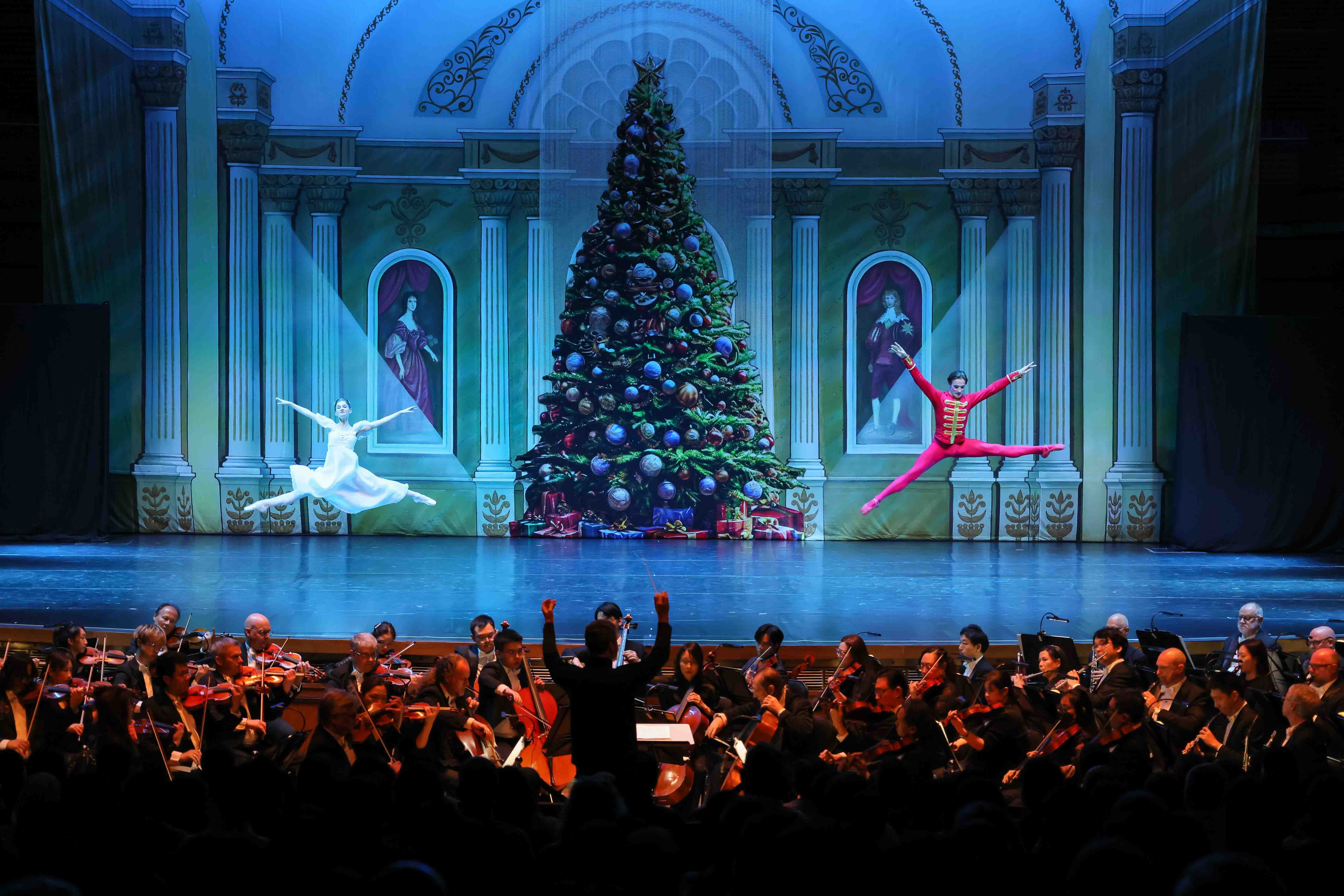
The female dancer's variation featured multiple fouettés, those whipping turns that look impossible because they are. Thirty-two consecutive rotations on one leg while the other leg whips around for momentum. Done correctly, the dancer remains fixed in one spot on stage. Done incorrectly, they travel or wobble. The National Classical Ballet's principal stayed centered, demonstrating the kind of technique that takes decades to develop.
The male variation demanded different challenges: soaring leaps, multiple pirouettes, and partnering work that requires absolute trust between dancers. When the female dancer went en pointe for supported turns, her partner had to provide stability without visible effort.
Meanwhile, the orchestra built toward the finale. The brass section crescendoed through fanfares. The timpani rolled through that climactic moment with controlled intensity. When everything resolved in the final chord, the effect was engineered precision disguised as spontaneous joy.
What You're Actually Paying For
Leaving DFP after the performance, something crystallized. The Nutcracker commands RM329 to RM639 tickets not because of Christmas nostalgia or pretty costumes. It commands those prices because it demonstrates principles that don't translate to streaming.
Live orchestra creates acoustic experiences that require physical space. The way low frequencies from timpani resonate in your chest. The way sixty string players produce unified sound that feels three-dimensional. The way breath and bow hair on metal strings creates texture no speaker system replicates exactly.
Ballet demands split-second timing between dozens of performers, each executing technique refined through thousands of hours of training. When the corps de ballet moves as one organism, when principal dancers complete fouettés without traveling, when partners support complex lifts with apparent ease, you're watching decades of accumulated skill performing at maximum precision.
This is what premium pricing buys. Not spectacle. Not entertainment in the Netflix sense. Demonstration that certain forms of human achievement, acoustic and physical, remain worth experiencing in their original format.
Tchaikovsky wrote The Nutcracker in 1892. 133 years later, orchestras and ballet companies still perform it because the score and choreography encode principles that transcend era. The music works because Tchaikovsky understood acoustic physics and orchestral balance. The ballet works because the choreography respects human anatomy and physics of movement.
That's why the hall was full on December 13. That's why families dressed carefully and arrived early. Not for tradition or nostalgia, but for proof that some experiences justify premium investment because they demonstrate mastery that streams poorly and replicates never.
—––––––––
Concert Details:
The Nutcracker | Malaysian Philharmonic Orchestra
Conductor: Stanislav Kochanovsky | Ballet: National Classical Ballet of Moscow
December 13, 2025, 8:00 PM | Dewan Filharmonik PETRONAS
About This Coverage
This review represents 22Muse Media's premium editorial coverage of cultural programming across Southeast Asia's major venues. For partnership inquiries regarding institutional coverage, cultural event documentation, or commissioned editorial services, contact editor@22musemedia.com | 22musemedia@gmail.com
22Muse Media creates premium editorial content for luxury hospitality, fine dining, orchestras, festivals, luxury brands, and corporate clients. From classical and jazz performances to founder profiles and automotive launches, we deliver sophisticated storytelling at the intersection of
Business + Culture.
www.22musemedia.com | Singapore • Kuala Lumpur • Bali •Dubai
Walking into Dewan Filharmonik PETRONAS on December 13, the first thing you notice isn't the Christmas tree on stage or the dancers warming up in the wings. It's the audience. Families dressed carefully. Couples arriving early. The kind of crowd that understands they're not here for casual entertainment.
The Malaysian Philharmonic Orchestra's season finale presented The Nutcracker with the National Classical Ballet of Moscow, conductor Stanislav Kochanovsky at the podium. Premium tickets reached RM639. The hall was full. This matters because in an age where you can stream anything, people still choose to pay for this particular experience. The question is why.
Act I: The Party and the Magic Begin
The ballet opens with Clara's Christmas Eve party. The National Classical Ballet brought the expected technical precision, but what stood out was their understanding of character. Professional ballet at this level isn't about individual virtuosity. It's about the corps de ballet moving as one organism, creating the illusion of a living room full of guests rather than dancers executing choreography.
When Clara receives the Nutcracker doll from Drosselmeyer, the orchestra shifts from party music to something more intimate. This is where Tchaikovsky's genius shows. He doesn't just accompany the action. He scores the emotional subtext. The strings drop to piano dynamic, creating space for the moment to breathe.
Then comes the battle with the Mouse King. The music here gets loud and chaotic, but there's structure underneath. Tchaikovsky uses brass fanfares and percussion hits to punctuate the choreography. The MPO's brass section executed this with precision, each attack timed exactly with the dancers' movements. This is harder than it looks because ballet tempo isn't always metronomic. Dancers need milliseconds to complete turns or jumps. The orchestra has to breathe with them.
The Snowflakes: Where Music Becomes Weather
The Snowflakes Waltz closes Act I, and this is where the production revealed its quality. The corps de ballet entered in white tutus, executing what's called pas de bourrée across the stage. This rapid, gliding footwork creates the illusion of floating rather than walking. When done well, it looks effortless. When done poorly, it looks rushed.
The National Classical Ballet's snowflakes understood something crucial: uniformity creates magic. Every dancer held identical arm positions, moved at identical speed, maintained identical spacing. This isn't about individual talent. It's about collective discipline.
Meanwhile, the orchestra was doing something equally subtle. The strings weren't using full bow strokes. They were using short, rapid bow changes that create a shimmering, crystalline sound. This particular technique produces notes that sparkle rather than sustain. Combined with the dancers' fluid movement, the effect was exactly what Tchaikovsky intended: music that sounds like weather.
Act II: The Land of Sweets and What Makes It Work
Act II moves to the Land of Sweets, where Clara meets the Sugar Plum Fairy and watches a series of character dances. This is where ballet becomes showcase. Each variation demonstrates different technical demands.
The Arabian Dance featured a solo dancer executing controlled floor work and back bends that require core strength most people don't possess. The Chinese Dance demanded rapid directional changes and quick footwork. The Russian Dance, a trepak, featured the kind of explosive jumps that look easy until you try them.
But the real moment came with the Sugar Plum Fairy's variation. This is the dance everyone recognizes because of the celesta, that bell-like instrument that produces the famous 'cling-cling' sound. What most people don't know is that Tchaikovsky specifically commissioned this instrument for The Nutcracker. He heard it in Paris and wanted it for this exact moment.
The technical challenge for the orchestra here isn't playing the celesta part. It's everything else staying quiet enough. Conductor Kochanovsky pulled the strings back dynamically, creating space for the celesta to speak clearly without forcing it. This kind of restraint requires every musician to sublimate their natural instinct to project.
The dancer executing the Sugar Plum variation demonstrated what professional ballet actually requires: sustained balance on pointe, controlled turns that don't wobble, and the kind of upper body elegance that makes difficult technique look decorative rather than athletic.
The Waltz of the Flowers: Engineering Meets Art
The Waltz of the Flowers is where Tchaikovsky shows what he really understood about orchestration. The piece opens with a harp solo that establishes the key and mood. Then the strings enter with that famous melody everyone recognizes.
What makes this work isn't just the pretty tune. It's how Tchaikovsky layers the orchestra. First violins carry the melody. Second violins provide harmonic support underneath. Violas anchor the middle register. Cellos and basses ground the foundation. Each section has a specific job, and when they execute together with precision, the result is three-dimensional sound rather than flat melody with accompaniment.
The MPO's string section demonstrated why live orchestra persists even in the age of perfect studio recordings. There's something about sixty musicians breathing together, bowing together, responding to the same conductor in real time, that creates unified sound impossible to replicate through overdubbing or digital synthesis.
On stage, the corps de ballet executed the flower variations with the kind of synchronized precision that requires months of rehearsal. Ballet at this level operates on timing windows measured in milliseconds. One dancer half a second behind breaks the illusion completely.
The Grand Pas de Deux: Why People Still Pay Premium Prices
The evening concluded with the Grand Pas de Deux, ballet's equivalent of a concerto. Two principal dancers, full orchestra, maximum technical difficulty.
The female dancer's variation featured multiple fouettés, those whipping turns that look impossible because they are. Thirty-two consecutive rotations on one leg while the other leg whips around for momentum. Done correctly, the dancer remains fixed in one spot on stage. Done incorrectly, they travel or wobble. The National Classical Ballet's principal stayed centered, demonstrating the kind of technique that takes decades to develop.
The male variation demanded different challenges: soaring leaps, multiple pirouettes, and partnering work that requires absolute trust between dancers. When the female dancer went en pointe for supported turns, her partner had to provide stability without visible effort.
Meanwhile, the orchestra built toward the finale. The brass section crescendoed through fanfares. The timpani rolled through that climactic moment with controlled intensity. When everything resolved in the final chord, the effect was engineered precision disguised as spontaneous joy.
What You're Actually Paying For
Leaving DFP after the performance, something crystallized. The Nutcracker commands RM329 to RM639 tickets not because of Christmas nostalgia or pretty costumes. It commands those prices because it demonstrates principles that don't translate to streaming.
Live orchestra creates acoustic experiences that require physical space. The way low frequencies from timpani resonate in your chest. The way sixty string players produce unified sound that feels three-dimensional. The way breath and bow hair on metal strings creates texture no speaker system replicates exactly.
Ballet demands split-second timing between dozens of performers, each executing technique refined through thousands of hours of training. When the corps de ballet moves as one organism, when principal dancers complete fouettés without traveling, when partners support complex lifts with apparent ease, you're watching decades of accumulated skill performing at maximum precision.
This is what premium pricing buys. Not spectacle. Not entertainment in the Netflix sense. Demonstration that certain forms of human achievement, acoustic and physical, remain worth experiencing in their original format.
Tchaikovsky wrote The Nutcracker in 1892. 133 years later, orchestras and ballet companies still perform it because the score and choreography encode principles that transcend era. The music works because Tchaikovsky understood acoustic physics and orchestral balance. The ballet works because the choreography respects human anatomy and physics of movement.
That's why the hall was full on December 13. That's why families dressed carefully and arrived early. Not for tradition or nostalgia, but for proof that some experiences justify premium investment because they demonstrate mastery that streams poorly and replicates never.
—––––––––
Concert Details:
The Nutcracker | Malaysian Philharmonic Orchestra
Conductor: Stanislav Kochanovsky | Ballet: National Classical Ballet of Moscow
December 13, 2025, 8:00 PM | Dewan Filharmonik PETRONAS
About This Coverage
This review represents 22Muse Media's premium editorial coverage of cultural programming across Southeast Asia's major venues. For partnership inquiries regarding institutional coverage, cultural event documentation, or commissioned editorial services, contact editor@22musemedia.com | 22musemedia@gmail.com
22Muse Media creates premium editorial content for luxury hospitality, fine dining, orchestras, festivals, luxury brands, and corporate clients. From classical and jazz performances to founder profiles and automotive launches, we deliver sophisticated storytelling at the intersection of
Business + Culture.
www.22musemedia.com | Singapore • Kuala Lumpur • Bali •Dubai
Share
Copy link
Share
Copy link
Related
Orchestra • Luxury Hotels • Fine Dining • Business Leaders • Cultural Icons
●
STORIES THAT STAY
●

2025
●
Singapore • Bali • Dubai
•
© 22Muse Media
2025
Subscribe for BUSINESS + CULTURE insights
Orchestra • Luxury Hotels • Fine Dining • Business Leaders • Cultural Icons
●
STORIES THAT STAY
●
2025
●
Singapore • Bali • Dubai
•
© 22Muse Media
2025
Subscribe for BUSINESS + CULTURE insights