Why Live Orchestra Still Matters in the Age of AI
Orchestra & The Arts
•
December 15, 2025
Why Live Orchestra Still Matters in the Age of AI
Orchestra & The Arts
•
December 15, 2025
Share
Copy link
Share
Copy link
In an era where sound is endlessly reproduced, compressed, and optimised for convenience, the orchestra remains one of the few experiences that resists acceleration. It does not stream. It does not scroll. It does not adapt to algorithms. Instead, it asks for something increasingly rare: presence. As artificial intelligence reshapes how we create, consume, and distribute music, the question is no longer whether technology can replace sound — but whether it can replace experience. This article reflects on why the orchestra, centuries old yet persistently relevant, continues to matter in a world that moves faster than ever.
Why the Orchestra Still Matters in the Age of AI
Most professional musicians don’t attend concerts.
We perform them.
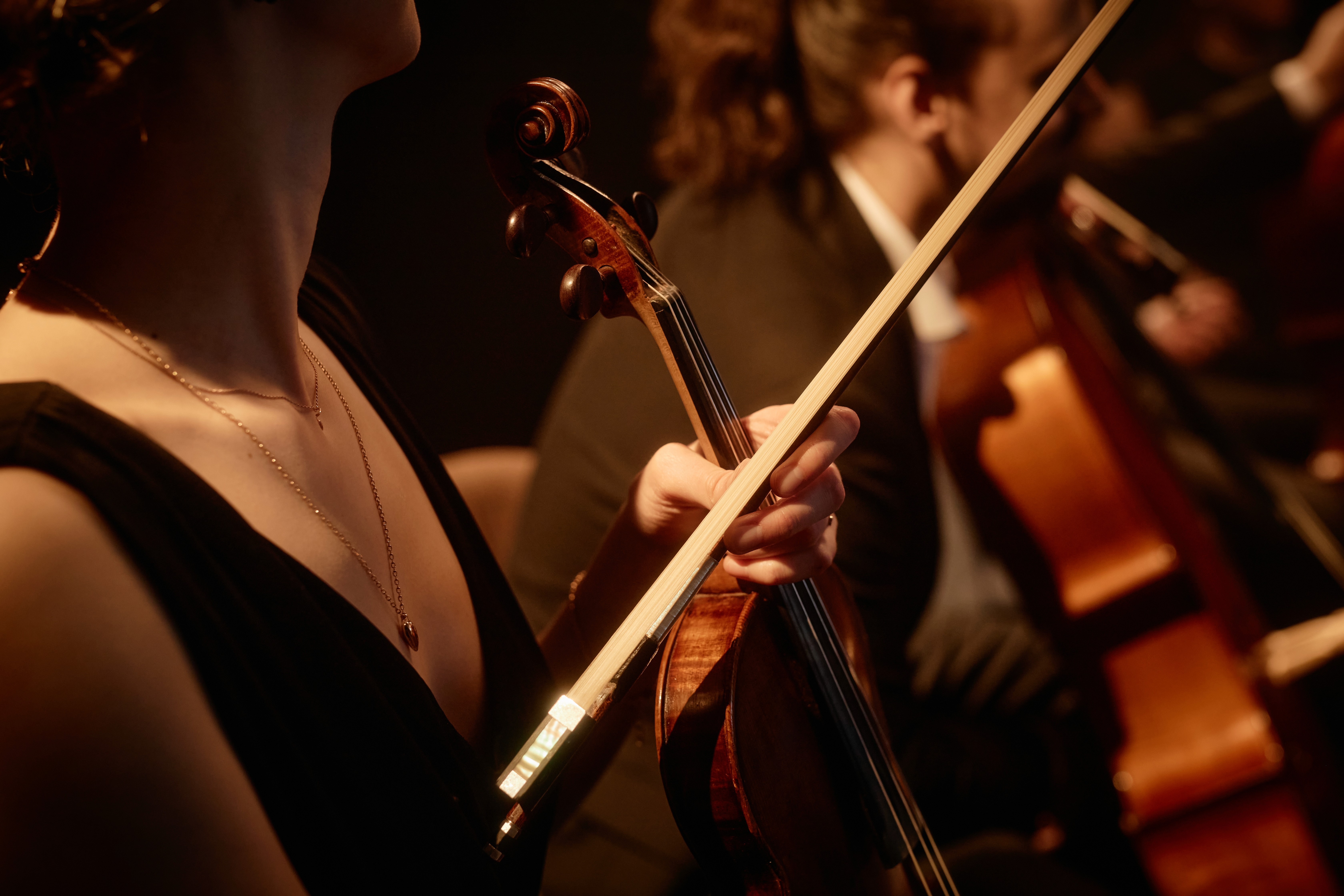
For nearly two decades, I experienced orchestral music from inside the pit — violin under the chin, eyes on the conductor, mind split between precision and instinct. Concerts were work. They were schedules, rehearsals, pay slips, discipline.
This time was different.
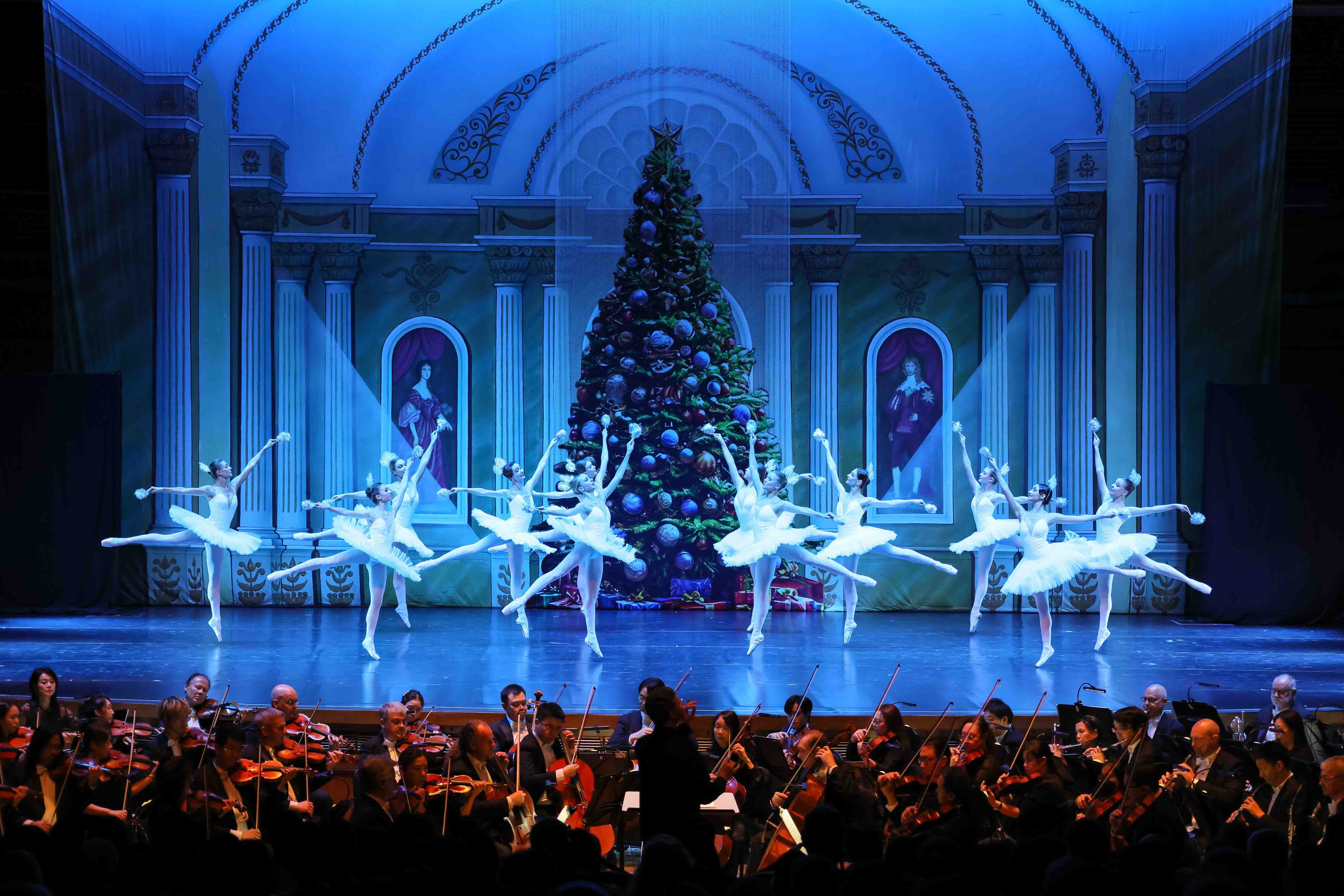
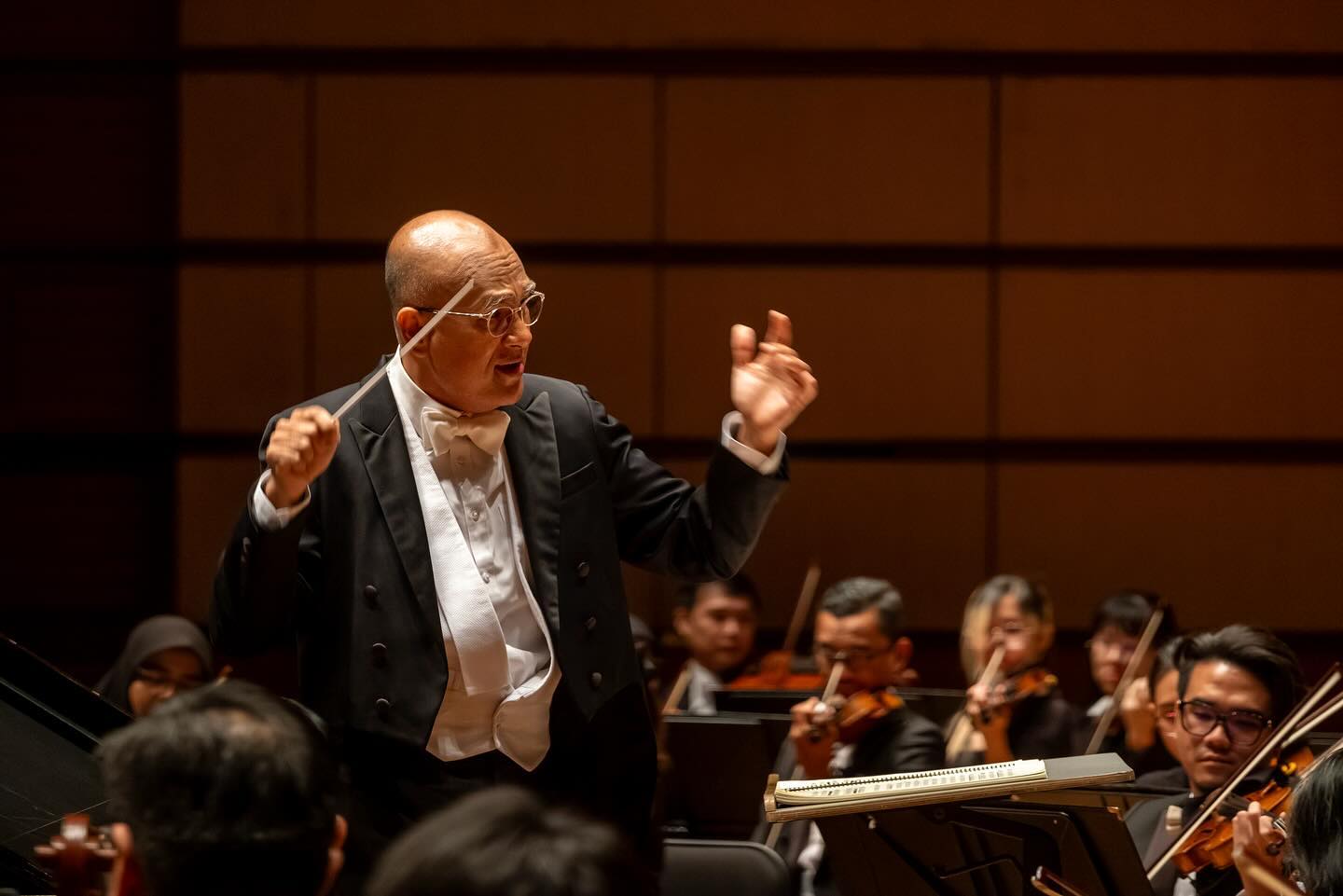
I sat in the audience. Not as a performer, but as a listener. Not to analyse, not to play, but to receive. It was my first full ballet experience as an audience member, Watching The Nutcracker, brought to life by the Malaysian Philharmonic Orchestra under conductor Stanislav Kochanovsky, alongside the National Classical Ballet of Moscow.
What struck me first wasn’t the music.
It was the room.
The tickets began at RM300+ as the lowest tier. Other seats climbed to RM400, RM500, and up to RM600. And yet, the hall was full. Parents brought children. Couples dressed carefully. People arrived early and stayed still.
In an era of instant content, subscriptions, and unlimited streaming. Why do people still choose this?
Experience, Not Entertainment
An orchestra is not entertainment in the modern sense.
It doesn’t exist to distract.
It exists to reorganise attention.
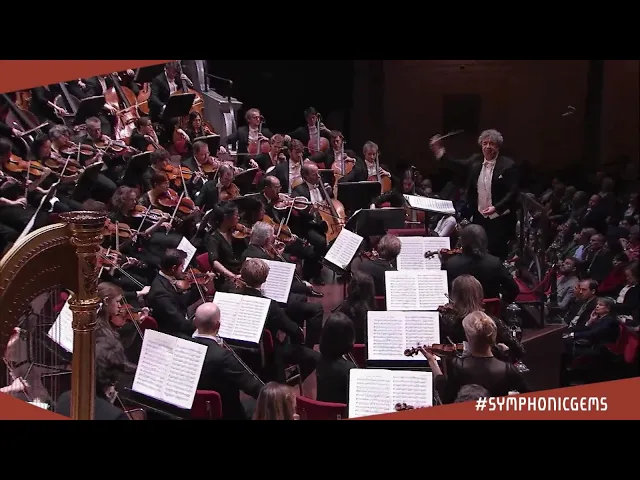
When the strings enter together, hundreds of horsehair strands pulled across metal strings by human hands, the sound doesn’t come from a speaker. It travels through air. It fills space. It presses gently against the chest.
Then come the brass — instruments forged from metal, activated by breath. The sound has weight. You don’t just hear it; you feel it resonate in the ribcage.
And then the timpani.
That deep, unmistakable pulse — especially familiar in The Nutcracker, the rhythm that underpins those iconic “cling-cling” celesta moments of Christmas memory. The timpani doesn’t decorate the music. It anchors it. Its low frequencies mirror the human heartbeat. This is not metaphorical. Low-frequency sound waves are processed not only by the ears, but by the body.
This is why orchestral sound feels immersive rather than loud.
It regulates before it entertains.
Why This Was Once for Royals
Historically, orchestras lived in courts and palaces. Not because music was elitist — but because experience was considered an investment.
The wealthy didn’t just collect objects.
They curated states of being.
Long before neuroscience explained it, people understood resonance. Live music — especially complex, layered sound — engages memory, emotion, and spatial awareness simultaneously. Today, we might reference the hippocampus, the part of the brain associated with memory, learning, and emotional regulation. But centuries ago, this knowledge existed without vocabulary.
You didn’t attend orchestral music to be impressed.
You attended to be recalibrated.
That logic hasn’t disappeared. It’s simply been renamed.
Now we call it wellness. Retreats. Therapy. Immersive experiences. Even space travel.
Not everyone with money wants to go to Mars — but those who do aren’t paying for transportation. They’re paying for a shift in perception.
The orchestra belongs in that same category.
From Simple Songs to Symphonic Worlds
Many people assume classical music is complex and inaccessible. In reality, much of what orchestras play — including modern re-imaginations — begins with something very simple.
A basic chord progression.
I–V–vi–IV.
Familiar. Found in pop songs everywhere.
What changes is orchestration.
A trained arranger takes that simple progression and assigns it across sections:
violins carrying melody,
violas and cellos shaping harmony,
double bass grounding the structure,
woodwinds colouring transitions,
brass expanding emotional scale,
percussion — especially timpani — anchoring time.
This is not excess.
It’s architecture.
The music isn’t louder. It’s deeper.
A Hall Built for Humans, Not Speakers
One of the most overlooked aspects of orchestral experience is the space itself.
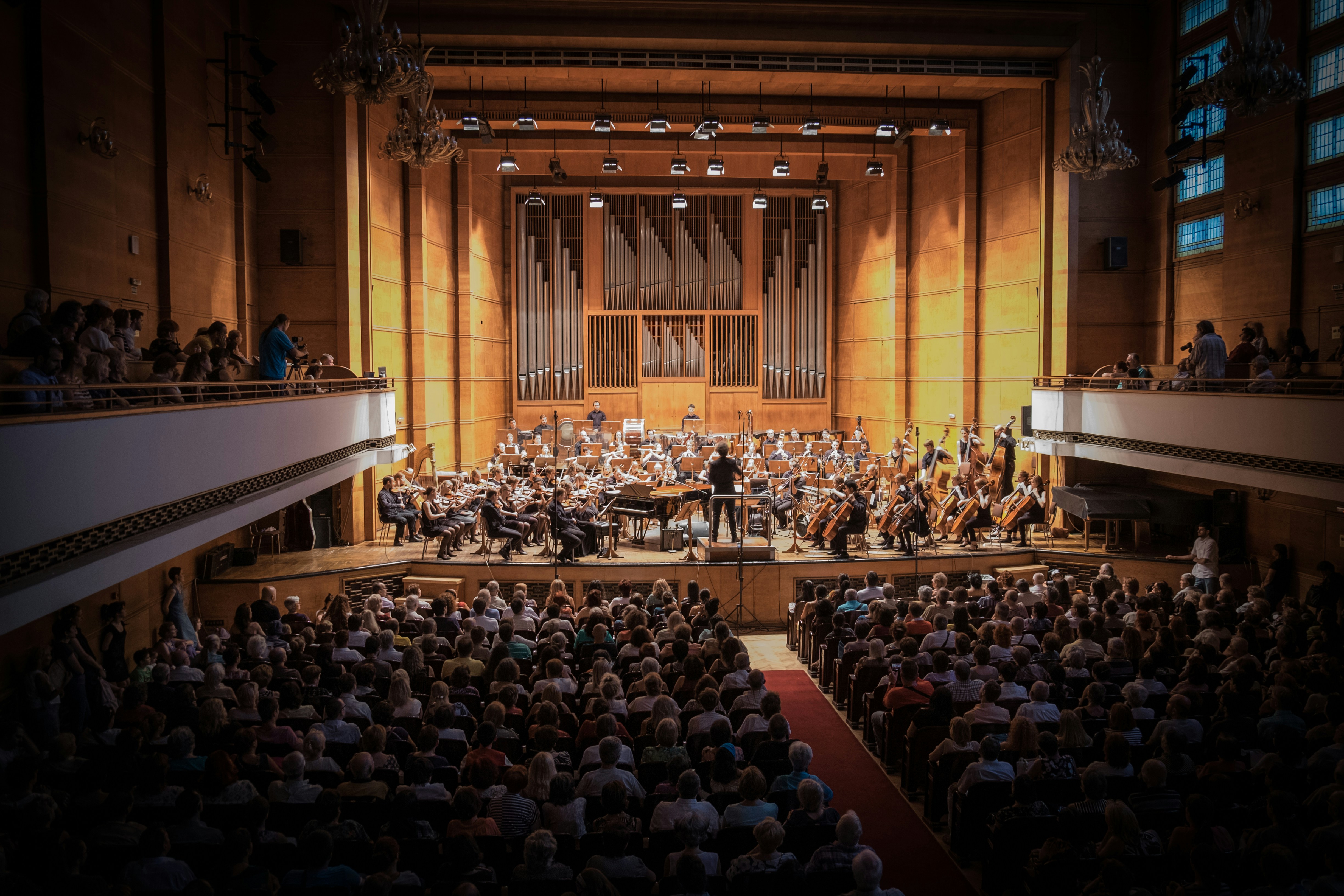
At Dewan Filharmonik PETRONAS, the sound does not rely on speakers. The hall is designed to project acoustics naturally — wood, curvature, volume, distance. Sound reflects, blends, returns.
This is why halls like this exist all over the world — and why Malaysia’s matters.
When the Petronas Towers were conceived, the decision to house a world-class concert hall within them wasn’t accidental. It was cultural infrastructure. A statement that business, architecture, and art belong together.
Interestingly, not every major city has this level of acoustic hall. Singapore, for instance, approaches performance spaces differently. Each city makes its own cultural choices.
These halls exist because human sound needs human space.
Spending or Investing?
So is paying RM300–600 for a concert “spending”?
Or is it investment?
The same question applies to massage, retreats, or even silence. None of these produce immediate, tangible returns — but they alter how the nervous system functions afterward. People leave calmer. Sharper. More present.
This is why orchestral music has survived wars, revolutions, and now AI.
Because while technology can replicate sound, it cannot replicate shared resonance — hundreds of people breathing, listening, processing together in real time.
Why This Still Matters
I’m not writing this to sell a ticket.
I gain nothing from your attendance.
I’m writing because I’ve lived on both sides — as the one producing the sound, and now as the one receiving it.
The orchestra is not outdated.
It is not elitist.
It is not in competition with technology.
It is a reminder that some forms of intelligence are embodied, not digital.
In a world optimised for speed, orchestral music asks something radical:
stillness.
And that, perhaps, is why we still come.
In a future piece, I’ll explore more deeply how orchestral sound engages memory systems like the hippocampus — and why live music leaves a residue long after the final note fades.
Why the Orchestra Still Matters in the Age of AI
Most professional musicians don’t attend concerts.
We perform them.
For nearly two decades, I experienced orchestral music from inside the pit — violin under the chin, eyes on the conductor, mind split between precision and instinct. Concerts were work. They were schedules, rehearsals, pay slips, discipline.
This time was different.
I sat in the audience. Not as a performer, but as a listener. Not to analyse, not to play, but to receive. It was my first full ballet experience as an audience member, Watching The Nutcracker, brought to life by the Malaysian Philharmonic Orchestra under conductor Stanislav Kochanovsky, alongside the National Classical Ballet of Moscow.
What struck me first wasn’t the music.
It was the room.
The tickets began at RM300+ as the lowest tier. Other seats climbed to RM400, RM500, and up to RM600. And yet, the hall was full. Parents brought children. Couples dressed carefully. People arrived early and stayed still.
In an era of instant content, subscriptions, and unlimited streaming. Why do people still choose this?
Experience, Not Entertainment
An orchestra is not entertainment in the modern sense.
It doesn’t exist to distract.
It exists to reorganise attention.
When the strings enter together, hundreds of horsehair strands pulled across metal strings by human hands, the sound doesn’t come from a speaker. It travels through air. It fills space. It presses gently against the chest.
Then come the brass — instruments forged from metal, activated by breath. The sound has weight. You don’t just hear it; you feel it resonate in the ribcage.
And then the timpani.
That deep, unmistakable pulse — especially familiar in The Nutcracker, the rhythm that underpins those iconic “cling-cling” celesta moments of Christmas memory. The timpani doesn’t decorate the music. It anchors it. Its low frequencies mirror the human heartbeat. This is not metaphorical. Low-frequency sound waves are processed not only by the ears, but by the body.
This is why orchestral sound feels immersive rather than loud.
It regulates before it entertains.
Why This Was Once for Royals
Historically, orchestras lived in courts and palaces. Not because music was elitist — but because experience was considered an investment.
The wealthy didn’t just collect objects.
They curated states of being.
Long before neuroscience explained it, people understood resonance. Live music — especially complex, layered sound — engages memory, emotion, and spatial awareness simultaneously. Today, we might reference the hippocampus, the part of the brain associated with memory, learning, and emotional regulation. But centuries ago, this knowledge existed without vocabulary.
You didn’t attend orchestral music to be impressed.
You attended to be recalibrated.
That logic hasn’t disappeared. It’s simply been renamed.
Now we call it wellness. Retreats. Therapy. Immersive experiences. Even space travel.
Not everyone with money wants to go to Mars — but those who do aren’t paying for transportation. They’re paying for a shift in perception.
The orchestra belongs in that same category.
From Simple Songs to Symphonic Worlds
Many people assume classical music is complex and inaccessible. In reality, much of what orchestras play — including modern re-imaginations — begins with something very simple.
A basic chord progression.
I–V–vi–IV.
Familiar. Found in pop songs everywhere.
What changes is orchestration.
A trained arranger takes that simple progression and assigns it across sections:
violins carrying melody,
violas and cellos shaping harmony,
double bass grounding the structure,
woodwinds colouring transitions,
brass expanding emotional scale,
percussion — especially timpani — anchoring time.
This is not excess.
It’s architecture.
The music isn’t louder. It’s deeper.
A Hall Built for Humans, Not Speakers
One of the most overlooked aspects of orchestral experience is the space itself.
At Dewan Filharmonik PETRONAS, the sound does not rely on speakers. The hall is designed to project acoustics naturally — wood, curvature, volume, distance. Sound reflects, blends, returns.
This is why halls like this exist all over the world — and why Malaysia’s matters.
When the Petronas Towers were conceived, the decision to house a world-class concert hall within them wasn’t accidental. It was cultural infrastructure. A statement that business, architecture, and art belong together.
Interestingly, not every major city has this level of acoustic hall. Singapore, for instance, approaches performance spaces differently. Each city makes its own cultural choices.
These halls exist because human sound needs human space.
Spending or Investing?
So is paying RM300–600 for a concert “spending”?
Or is it investment?
The same question applies to massage, retreats, or even silence. None of these produce immediate, tangible returns — but they alter how the nervous system functions afterward. People leave calmer. Sharper. More present.
This is why orchestral music has survived wars, revolutions, and now AI.
Because while technology can replicate sound, it cannot replicate shared resonance — hundreds of people breathing, listening, processing together in real time.
Why This Still Matters
I’m not writing this to sell a ticket.
I gain nothing from your attendance.
I’m writing because I’ve lived on both sides — as the one producing the sound, and now as the one receiving it.
The orchestra is not outdated.
It is not elitist.
It is not in competition with technology.
It is a reminder that some forms of intelligence are embodied, not digital.
In a world optimised for speed, orchestral music asks something radical:
stillness.
And that, perhaps, is why we still come.
In a future piece, I’ll explore more deeply how orchestral sound engages memory systems like the hippocampus — and why live music leaves a residue long after the final note fades.
Share
Copy link
Share
Copy link
Related
Orchestra • Luxury Hotels • Fine Dining • Business Leaders • Cultural Icons
●
STORIES THAT STAY
●

2025
●
Singapore • Bali • Dubai
•
© 22Muse Media
2025
Subscribe for BUSINESS + CULTURE insights
Orchestra • Luxury Hotels • Fine Dining • Business Leaders • Cultural Icons
●
STORIES THAT STAY
●
2025
●
Singapore • Bali • Dubai
•
© 22Muse Media
2025
Subscribe for BUSINESS + CULTURE insights