What It Takes to Stay in the Fashion Industry
Lifestyle
•
October 14, 2025
Share
Copy link
Share
Copy link
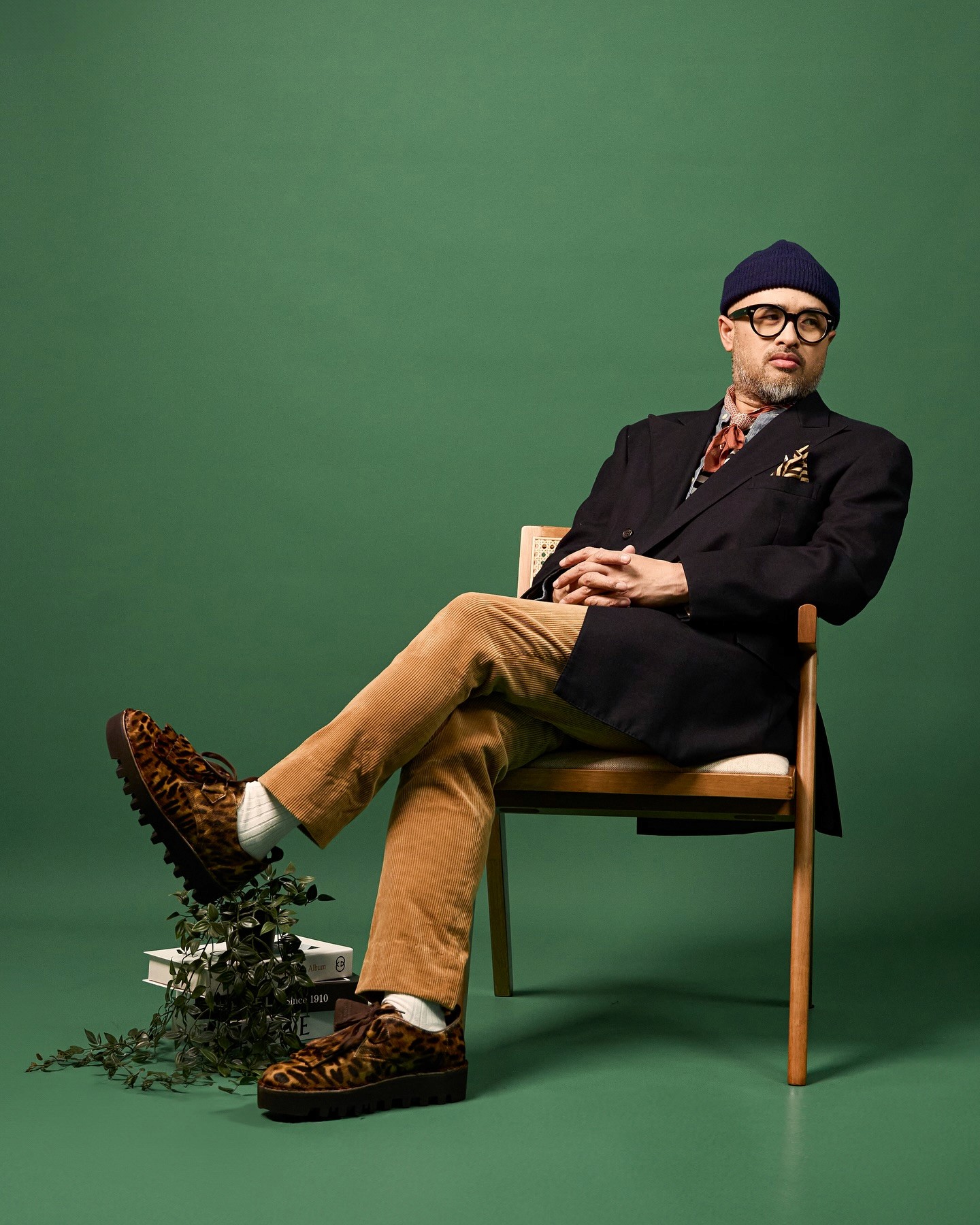
From running boutiques to managing sportswear collections, Fairuz Ramdan's path has been shaped more by trial and error than overnight success. His experience shows that fashion isn't just about design –– most of the work comes down to planning, consistency, and knowing when to adapt. This conversation looks at the practical side of building a career in fashion without the applause.
Words by Adinazeti Adnan
Photos | Fairuz Ramdan
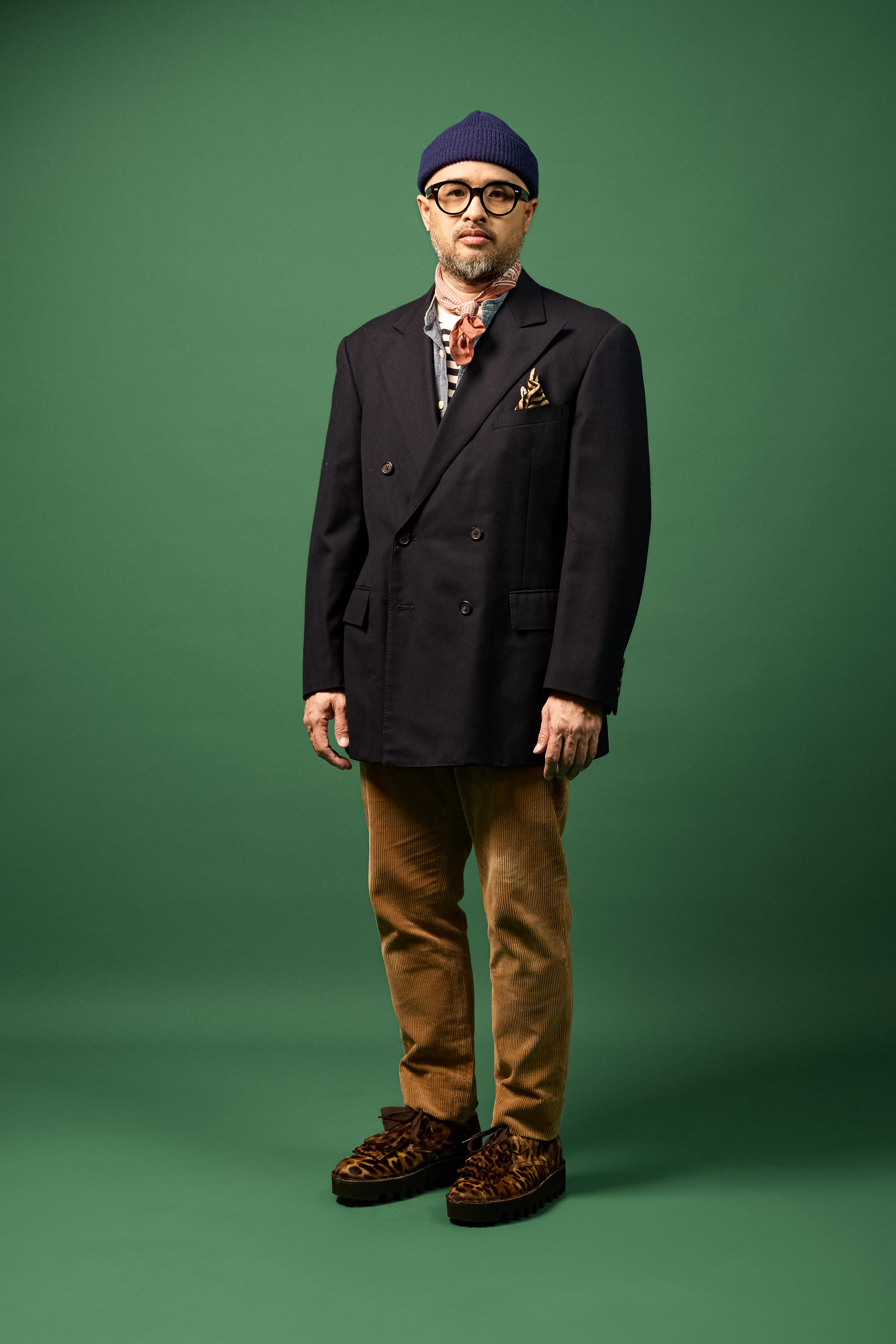
At 44, Fairuz Ramdan sits in his creative studio, fitter than he's ever been at 68kg after years of competitive cycling, sharper in his thinking after decades navigating Malaysia's volatile fashion landscape, and more valuable to the industry than when he was selling out 70% of his Parkson collection in four days back in 2013.
"Design is only 20% of what I do now," he says, settling into the conversation with the ease of someone who has nothing left to prove. "The other 80%? Business planning, market forecasting, revenue projection. I strategize collections five to ten years ahead for international brands. That's where the real work happens."
It's a startling admission from someone who won eight awards in a single year, showed at Mercedes-Benz STYLO Asia Fashion Festival, and built one of Malaysia's most recognizable menswear brands. But Fairuz Ramdan isn't a designer anymore, not in the traditional sense. He's a creative director. A fashion architect. A business strategist who happens to speak fluent runway.
Fairuz Ramdan receiving awards for The Outstanding National Entrepreneur Awards 2018
(The ONE Awards 2018)
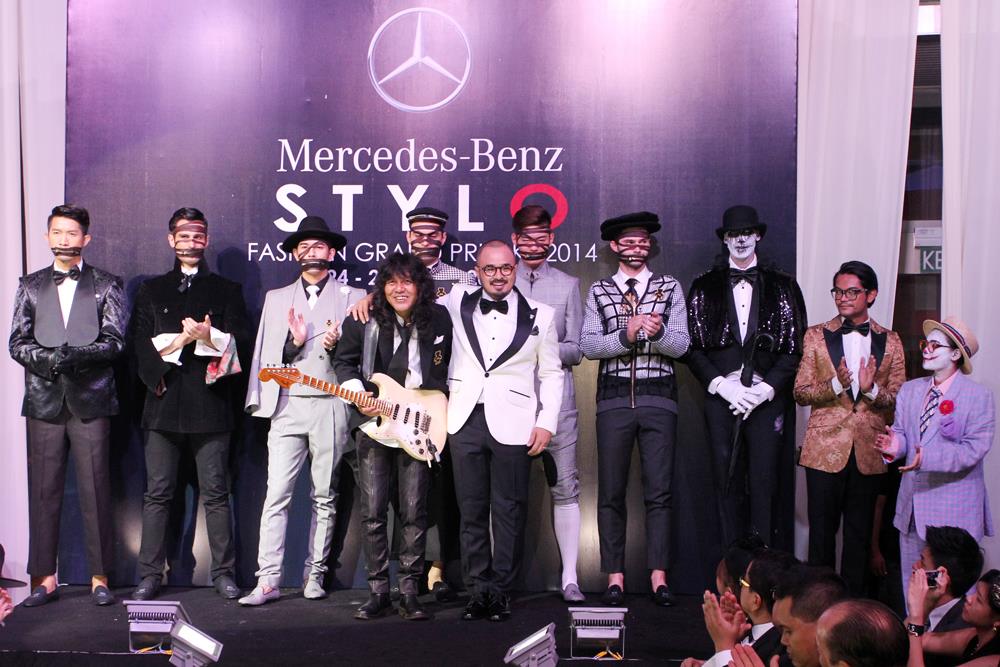
The night that changed everything: Fairuz Ramdan at Mercedes-Benz STYLO 2014, winning Emerging Designer of the Year. This was the collection Parkson bought on sight, selling 70% in four days
When Fashion Was Necessity, Not Ambition
"It started when I was six."
Fairuz begins where most fashion origin stories don't: in economic necessity. Born in Edinburgh, Scotland, the eldest of four brothers to a Malaysian mother studying fashion on a £300 scholarship that barely covered rent.
"My mother worked two shifts. One to pay for her studies, one to feed us. My father was on the same scholarship. Our rent was £300 a month. You do the math."
Sunday markets became survival. The family sold smocking dresses, those intricate hand-stitched children's garments that required patience and precision. By the time other children were learning to ride bikes, Fairuz was learning to cut fabric and operate a sewing machine.
"All four brothers knew how to sew, except the second one," he recalls. "It wasn't a hobby. It was how we ate."
When the family relocated to Malaysia for his Form 2 studies, his father had different plans: architecture, science stream, stability. Fairuz took art because he was good at it. But by SPM, the math had become unbearable.
He enrolled in the university, ready to build a career in graphic design during Malaysia's MSC era, when anything involving computers felt like a golden ticket. Then came creative differences with lecturers. By third semester, he'd switched to fashion. What should have been a four-year degree stretched to five.
It was the detour that defined everything.
The Collection That Built a Brand
Malaysian International Fashion Week 2011. Ten designers needed, three slots empty. A former lecturer reached out. Fairuz specialized in ladies' fashion, but he had something else: friends in Malaysia's emerging celebrity scene who needed clothes for events. He'd been dressing them quietly, no branding, no grand strategy.
"I came out with four menswear outfits for that show," he says. "Boxy cuts, short silhouettes, bold colors. Nothing like what was on the market at the time."
The response was immediate. 2012: Invited back, his samples sold on show day. 2013: Called up ten days before Mercedes-Benz STYLO Asia Fashion Festival to replace a Japanese designer who pulled out. That collection won two awards, including Emerging Designer of the Year, and caught Parkson's attention.
"We launched online on Monday. The runway show was Thursday. By Thursday evening, we'd sold 70% of the collection."
This was 2013. No celebrity endorsements. No Instagram influencers. Just design that resonated.
That same year, Fairuz won eight awards. The FR Bear logo, initially a representation of his own physique, became instantly recognizable thanks to his wife, graphic designer Rozie Hussin, who refined it into the sleek emblem that would define the brand.
By 2014, he'd made a decision: no more consignment. He would open his own stores.
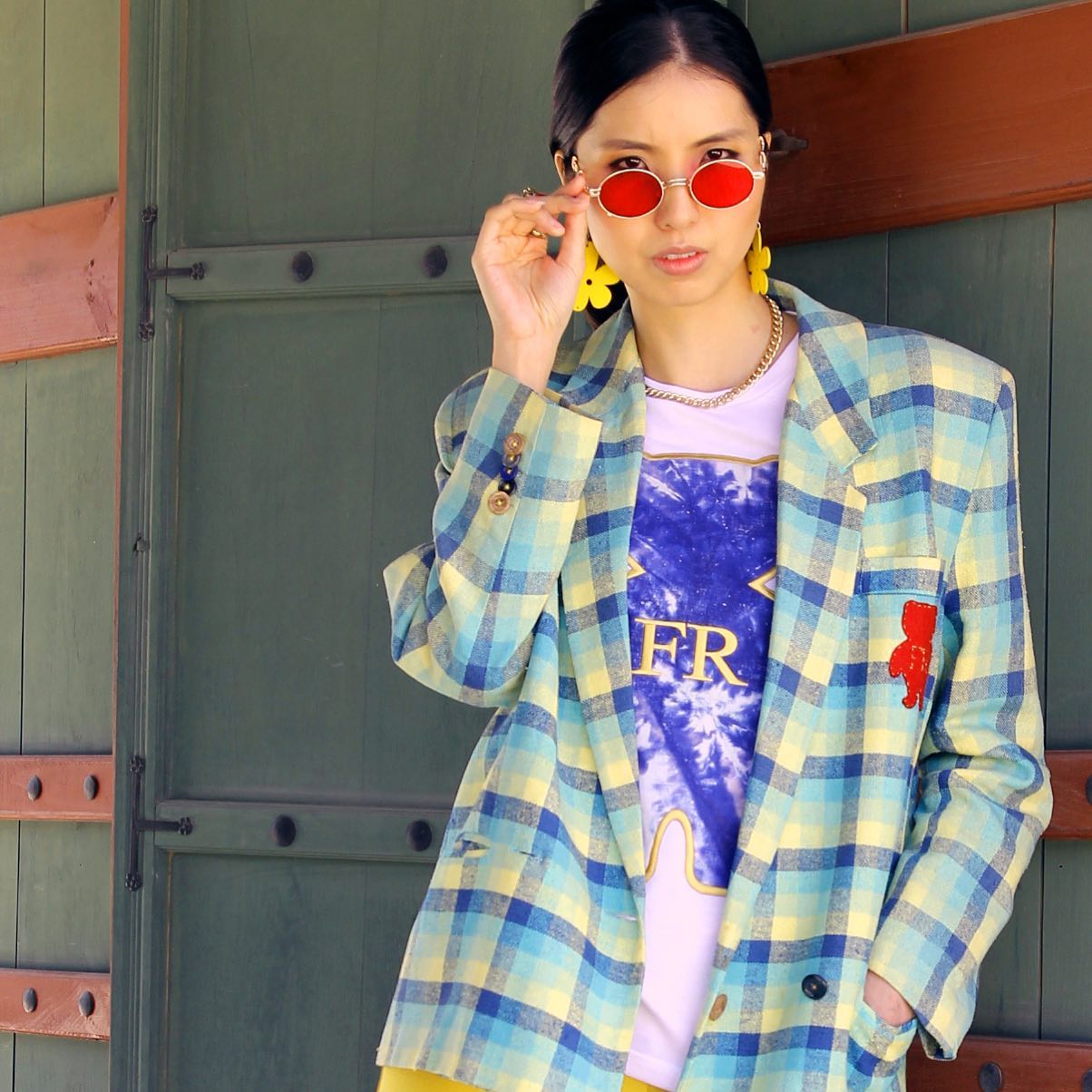
The iconic FR Bear logo and trademark, which dominated Malaysian fashion in 2013, was designed by Fairuz's wife and creative partner, Rozie Hussin
The Expansion That Led to Zero
2014: First standalone FR store.
2016: Seven stores nationwide.
January 2020: Eleven boutiques across Malaysia.
Then February 2020 hit.
COVID-19 didn't just pause business. Malaysia's strict lockdowns shut down retail for months. But rent didn't stop. Staff salaries didn't stop. Lease obligations didn't stop.
"We kept paying for everything while making nothing," he says quietly. "Two years. No revenue. Just outflow."
The timing couldn't have been worse. Fairuz had just undergone knee surgery, an injury that would eventually push him toward competitive cycling but initially left him struggling to walk.
By late 2021, the decision was made: close everything.
"Those two years ate up all our resources. Every bit of profit we'd built since 2013, gone."
For most designers, this would be the end. For Fairuz, it was the beginning of something more valuable than boutiques.
The Collaboration That Redefined the Game
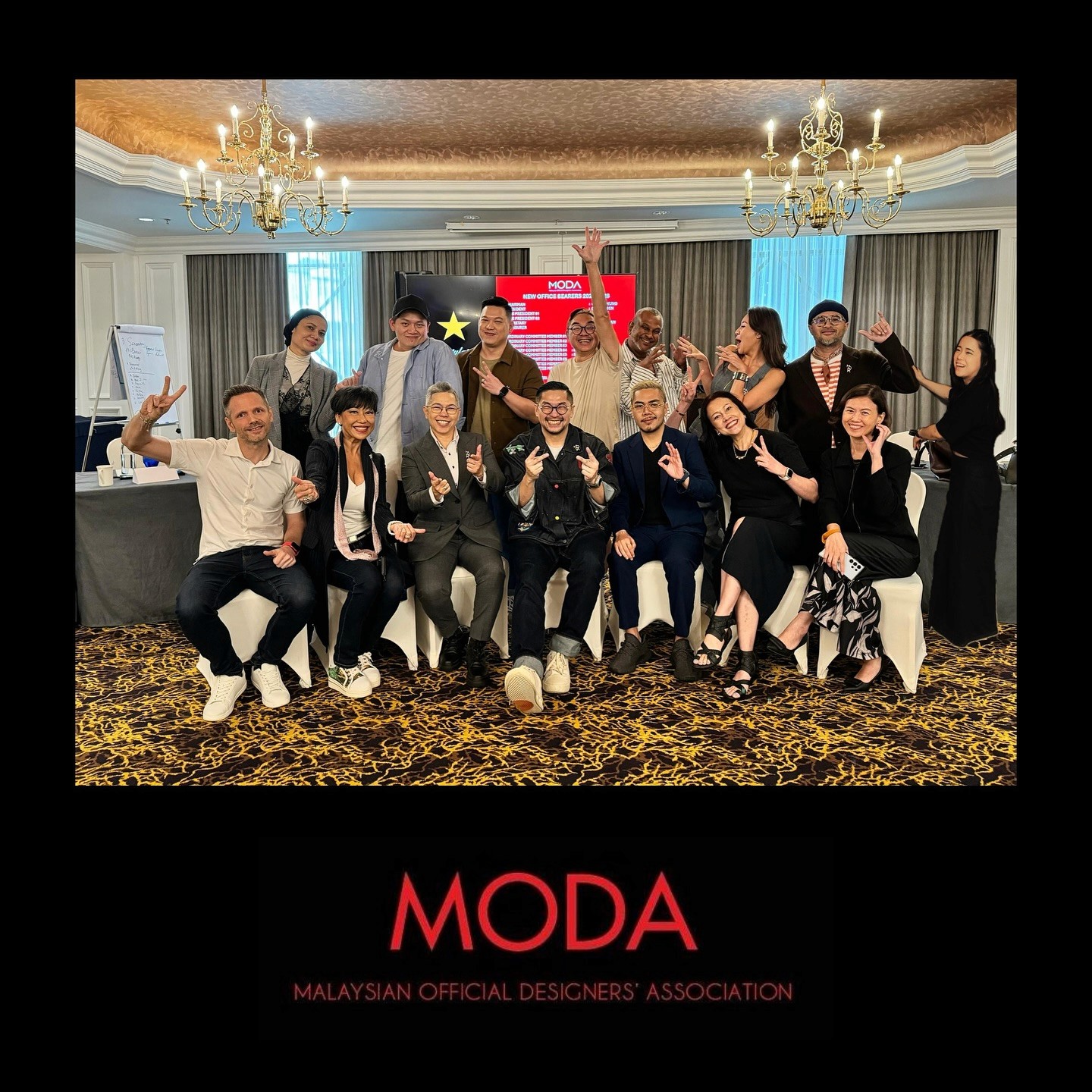
That 2024 show wasn't under the FR label. It was a collaboration with Kapten Batik, a brand beloved for modernizing Malaysian batik but constrained by conventional silhouettes.
"My job was to curate something upscale, not their current market, but where they could potentially move."
The result: twelve looks that weren't traditional batik shirts. Pricing reflected the shift: RM600-RM3,500, compared to Kapten Batik's usual RM100-RM250 range.
One editor wore two pieces to Milan Fashion Week. They were featured as part of "9 Best Looks of Milan Fashion Week." The collection won Best Menswear Collection 2024 and Fairuz took home Designer of the Year.
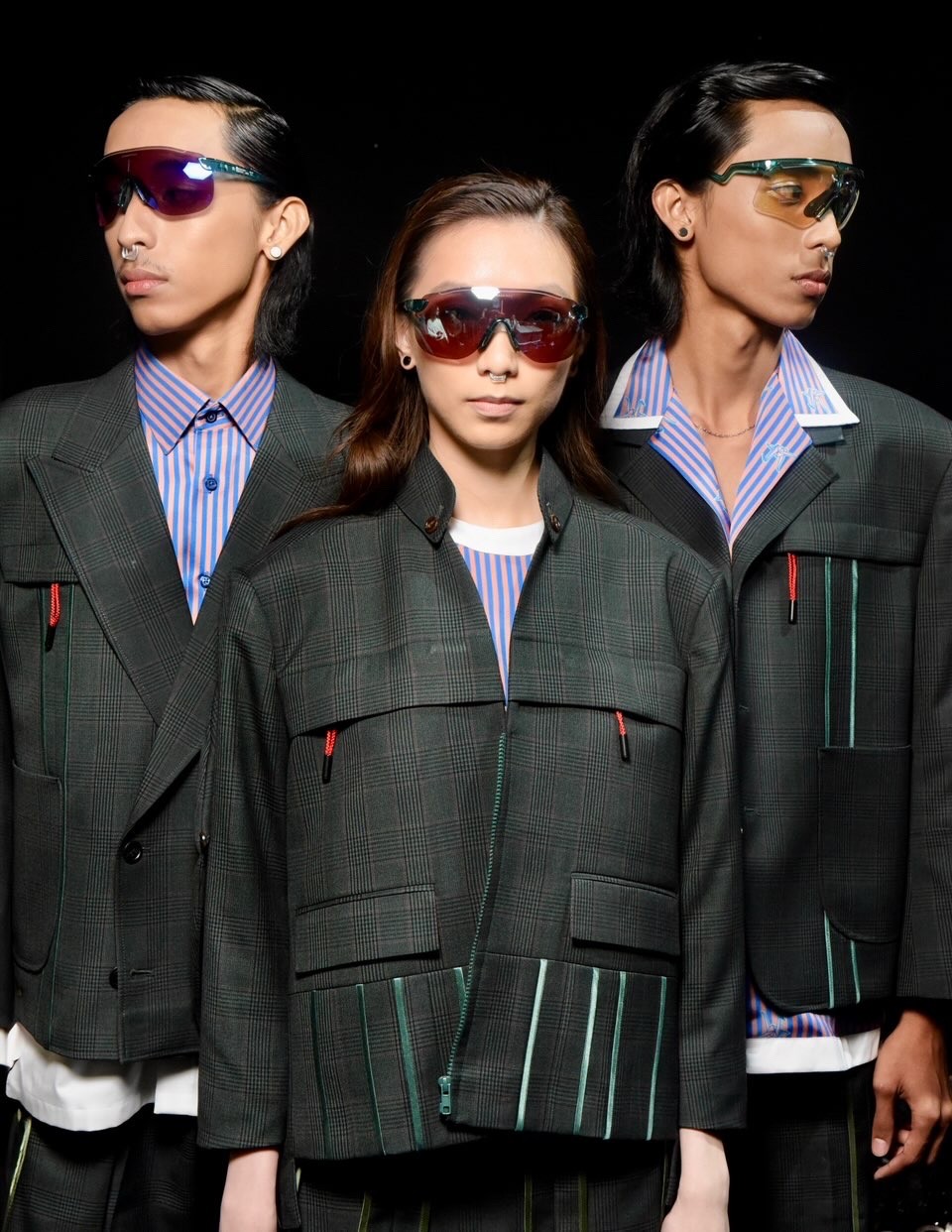
Kapten Batik X Fairuz Ramdan Unisex Collection
Currently, Fairuz serves as Creative Director for Al-Ikhsan Sports, managing design and business strategy for brands including Umbro, Lotto, Diadora, ALX, AL and Match7.
"From Q4 2025 through mid-2026, I'm curating about nine collections for international and local brands," he says. "In a twelve-month period, I produce 15-20 collections annually."
The shift is complete. Fairuz is no longer designing clothes. He's designing business.
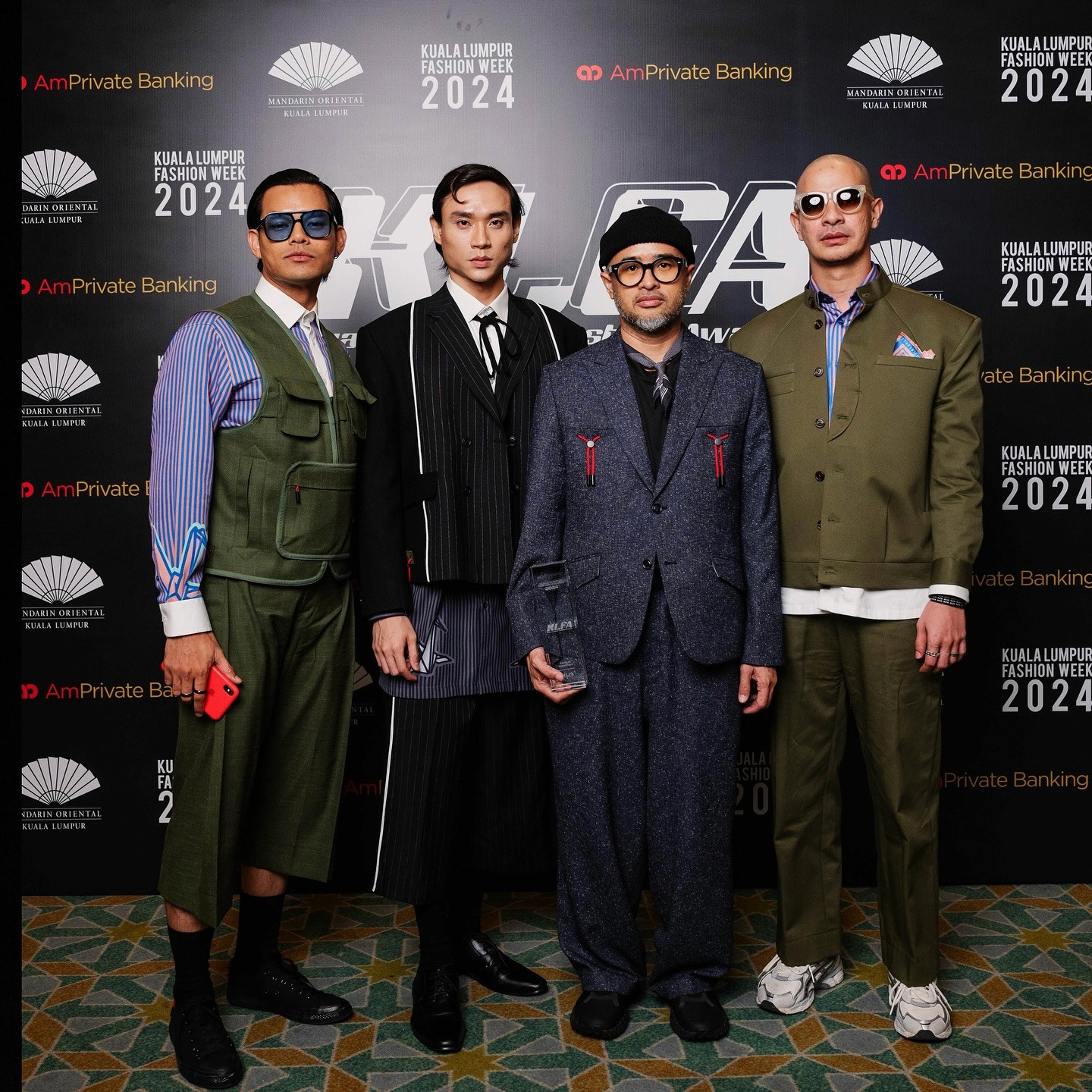
Fairuz Ramdan receiving award during KL Fashion Week 2024
The Business of Survival
Fairuz's career can be mapped by lessons in commercial viability.
Parkson (2013): Taught him the limits of consignment. "Every time stock sold out, I had to personally restock. It was exhausting. So I opened my own stores."
Eleven Boutiques (2014-2021): Taught him the danger of overhead. "When revenue stops and costs don't, you learn that footprint isn't the same as profitability."
Kapten Batik (2024): Taught him the power of collaboration over ownership. "Together, we made something neither could do alone. And I didn't have to manage production or retail."
Umbro (2024-present): Taught him scalability through strategy. "With Umbro, my market is global. Last year's award-winning collection generated four times the sales of my previous peak."
The FR brand still exists, but it's no longer the focus.
"We have loyal private clients, some for 10-15 years. I still do bespoke fittings. But I'm not chasing retail expansion anymore."
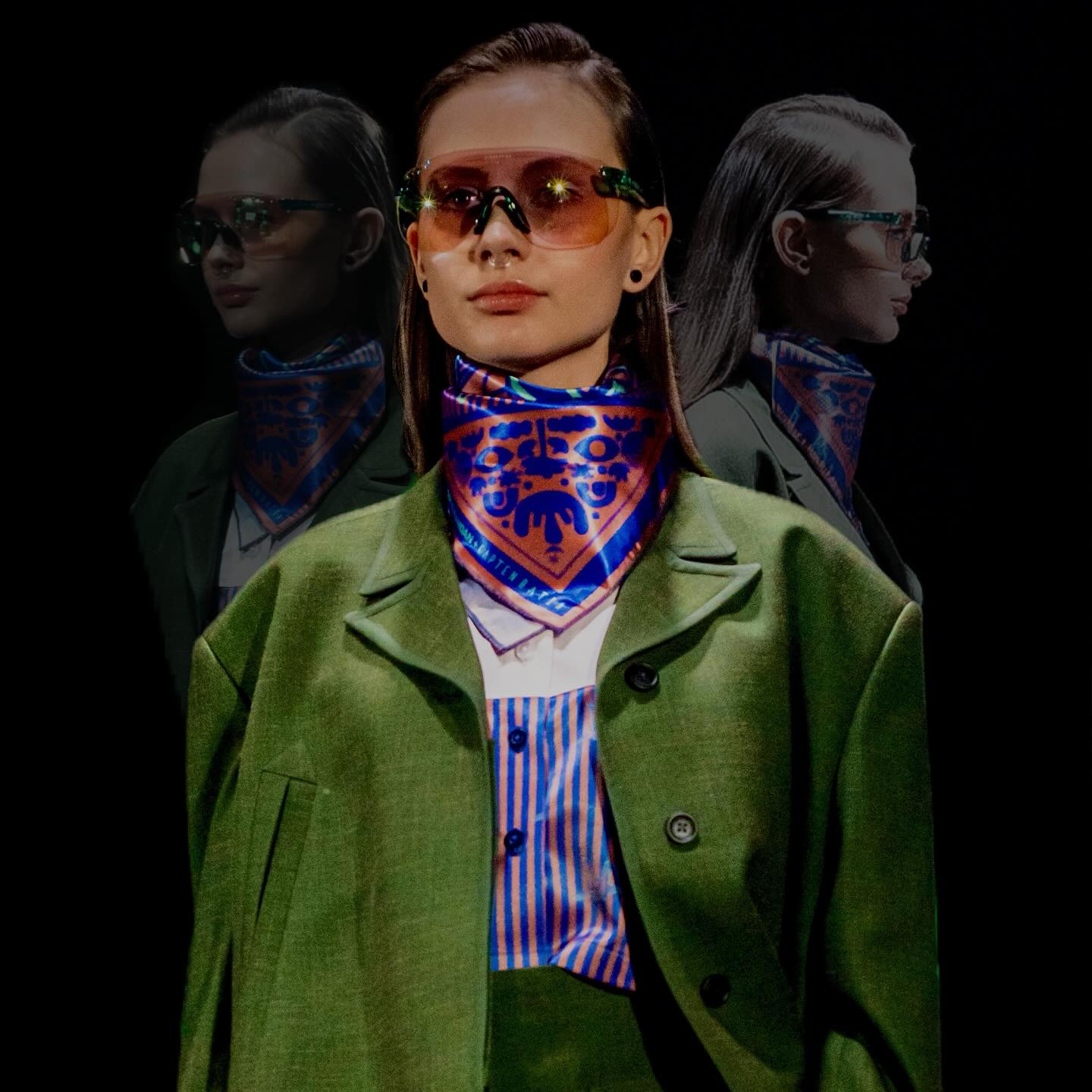
MODA and the Next Generation
Fairuz has been served as Vice President of MODA (Malaysia Official Designers Association) from 2018–2020, now he stands as committee member, where he focuses on business education for emerging designers.
"Every year, MODA runs 'Style Your Way' bazaar. We pair new designers with seasoned professionals."
Last year's event, partnered with APW Bangsar, generated six figures in three days.
"This year, we're partnering with Starhill. The goal is to improve sales conversion. We analyze what worked, what didn't, and refine their approach."
It's the same philosophy Fairuz applies to consulting: teach the business, not just the craft.
"When it comes to fashion, people focus on the artistic side. But if you want your brand to last, you need commercial value and aesthetic value aligned."
It's why 22Muse Media exists, he notes approvingly, as a bridge between cultural excellence and business strategy.
"You're doing what the industry needs. Showing that business and culture aren't enemies."
The Reflection
"Right now, there are a lot of platforms," Fairuz observes. "But most aren't run by people who actually come from fashion. They can spend money to create shows, but they lack deeper understanding."
The result: show-shows, not sell-shows.
"The audience enjoys the spectacle, then goes home. It's performance, not commerce."
KL Fashion Week has evolved differently, he notes, partnering with financial institutions, shopping malls, retail chains to create actual revenue channels.
"Exposure without business direction means nothing. If you don't account for the selling part from the beginning, it's much harder to build sustainability."
He's seen it repeatedly: designers from his 2012 cohort who didn't adapt to market changes, who withered when trends shifted, who couldn't convert social media buzz into customers.
"Sometimes the problem isn't the niche. It's that commercial value and aesthetic value aren't aligned."
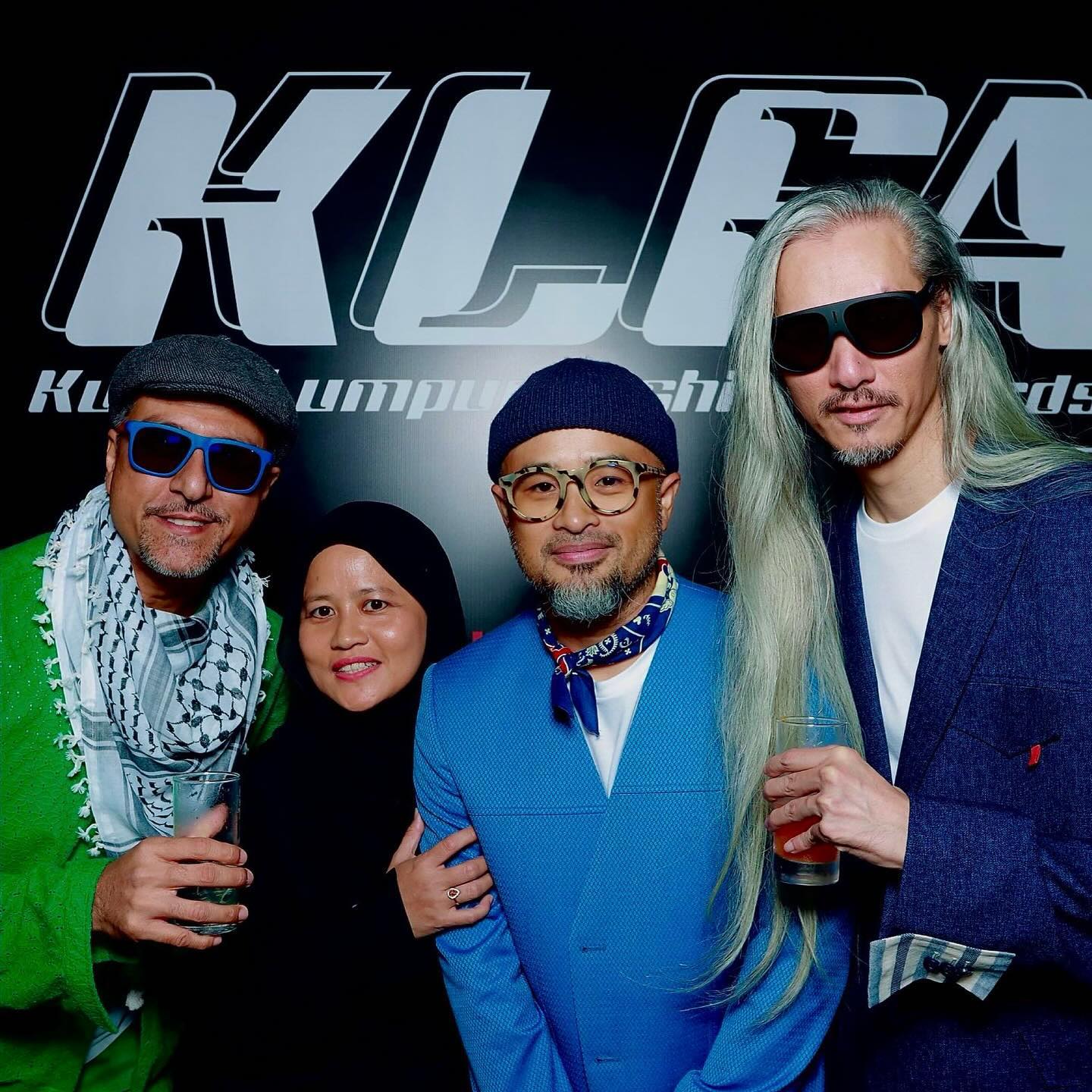
Fairuz Ramdan and wife Rozie Hussin alongside acclaimed Malaysian actor Bront Palarae at KL Fashion Week 2024
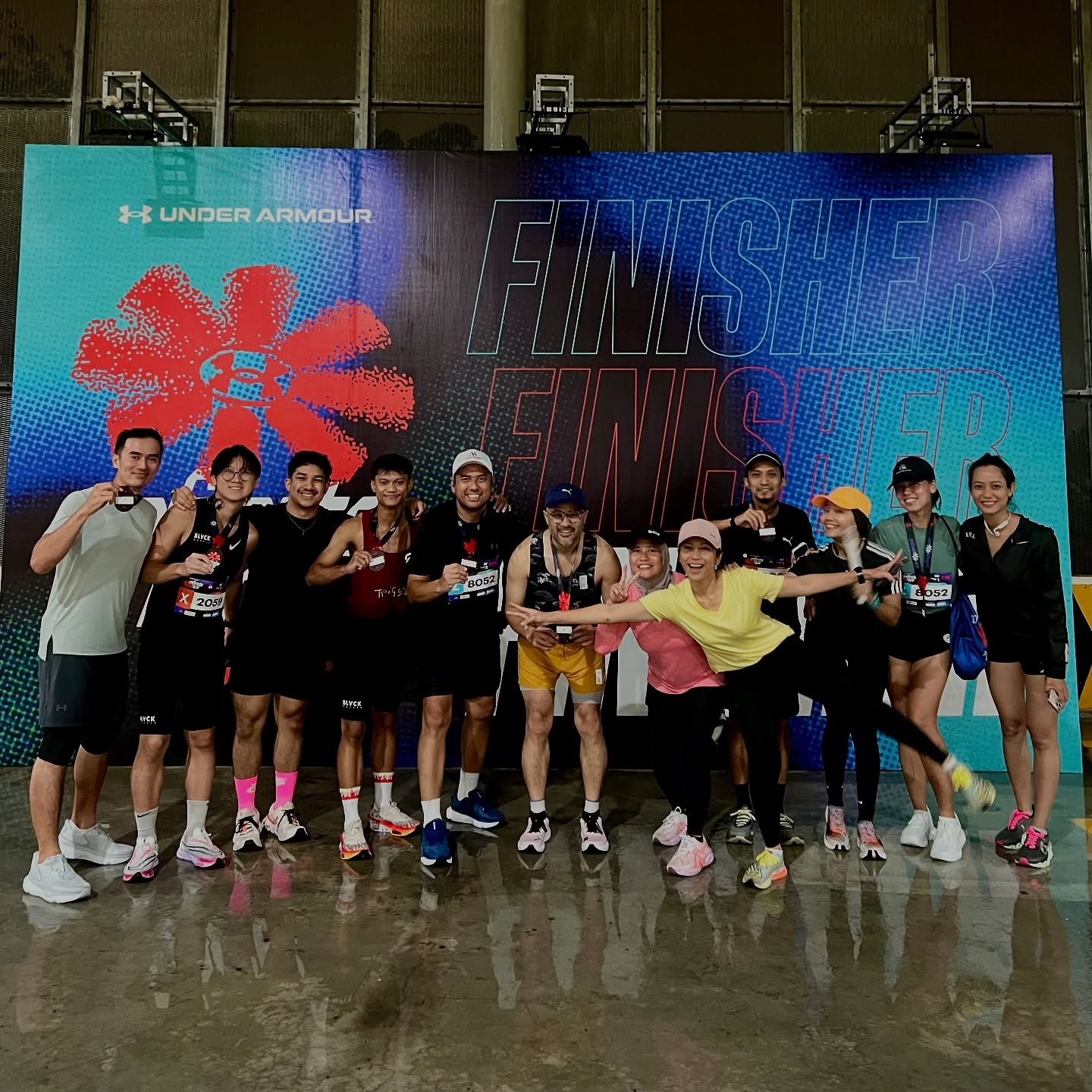
Work meets lifestyle: Fairuz (in Puma sportswear) running a marathon with his wife representing one of his brand sponsorships
Fairuz Ramdan
Creative Director, Al-Ikhsan Sports Sdn. Bhd.
Guest Creative Director, Media Elements Co.
Why This Matters:
In an industry obsessed with virality and aesthetic, Fairuz Ramdan represents the disciplined alternative: business as craft, strategy as art. For brands seeking partnerships that deliver both cultural credibility and commercial results, this is the model. Not influencers. Not hype.
For editorial partnerships with 22Muse Media that connect cultural storytelling with revenue strategy:
Email: editor@22musemedia.com
Website: www.22musemedia.com
Instagram @22musemedia
This interview has been edited and condensed for clarity.
Words by Adinazeti Adnan
Photos | Fairuz Ramdan
At 44, Fairuz Ramdan sits in his creative studio, fitter than he's ever been at 68kg after years of competitive cycling, sharper in his thinking after decades navigating Malaysia's volatile fashion landscape, and more valuable to the industry than when he was selling out 70% of his Parkson collection in four days back in 2013.
"Design is only 20% of what I do now," he says, settling into the conversation with the ease of someone who has nothing left to prove. "The other 80%? Business planning, market forecasting, revenue projection. I strategize collections five to ten years ahead for international brands. That's where the real work happens."
It's a startling admission from someone who won eight awards in a single year, showed at Mercedes-Benz STYLO Asia Fashion Festival, and built one of Malaysia's most recognizable menswear brands. But Fairuz Ramdan isn't a designer anymore, not in the traditional sense. He's a creative director. A fashion architect. A business strategist who happens to speak fluent runway.
Fairuz Ramdan receiving awards for The Outstanding National Entrepreneur Awards 2018
(The ONE Awards 2018)
The night that changed everything: Fairuz Ramdan at Mercedes-Benz STYLO 2014, winning Emerging Designer of the Year. This was the collection Parkson bought on sight, selling 70% in four days
When Fashion Was Necessity, Not Ambition
"It started when I was six."
Fairuz begins where most fashion origin stories don't: in economic necessity. Born in Edinburgh, Scotland, the eldest of four brothers to a Malaysian mother studying fashion on a £300 scholarship that barely covered rent.
"My mother worked two shifts. One to pay for her studies, one to feed us. My father was on the same scholarship. Our rent was £300 a month. You do the math."
Sunday markets became survival. The family sold smocking dresses, those intricate hand-stitched children's garments that required patience and precision. By the time other children were learning to ride bikes, Fairuz was learning to cut fabric and operate a sewing machine.
"All four brothers knew how to sew, except the second one," he recalls. "It wasn't a hobby. It was how we ate."
When the family relocated to Malaysia for his Form 2 studies, his father had different plans: architecture, science stream, stability. Fairuz took art because he was good at it. But by SPM, the math had become unbearable.
He enrolled in the university, ready to build a career in graphic design during Malaysia's MSC era, when anything involving computers felt like a golden ticket. Then came creative differences with lecturers. By third semester, he'd switched to fashion. What should have been a four-year degree stretched to five.
It was the detour that defined everything.
The Collection That Built a Brand
Malaysian International Fashion Week 2011. Ten designers needed, three slots empty. A former lecturer reached out. Fairuz specialized in ladies' fashion, but he had something else: friends in Malaysia's emerging celebrity scene who needed clothes for events. He'd been dressing them quietly, no branding, no grand strategy.
"I came out with four menswear outfits for that show," he says. "Boxy cuts, short silhouettes, bold colors. Nothing like what was on the market at the time."
The response was immediate. 2012: Invited back, his samples sold on show day. 2013: Called up ten days before Mercedes-Benz STYLO Asia Fashion Festival to replace a Japanese designer who pulled out. That collection won two awards, including Emerging Designer of the Year, and caught Parkson's attention.
"We launched online on Monday. The runway show was Thursday. By Thursday evening, we'd sold 70% of the collection."
This was 2013. No celebrity endorsements. No Instagram influencers. Just design that resonated.
That same year, Fairuz won eight awards. The FR Bear logo, initially a representation of his own physique, became instantly recognizable thanks to his wife, graphic designer Rozie Hussin, who refined it into the sleek emblem that would define the brand.
By 2014, he'd made a decision: no more consignment. He would open his own stores.
The iconic FR Bear logo and trademark, which dominated Malaysian fashion in 2013, was designed by Fairuz's wife and creative partner, Rozie Hussin
The Expansion That Led to Zero
2014: First standalone FR store.
2016: Seven stores nationwide.
January 2020: Eleven boutiques across Malaysia.
Then February 2020 hit.
COVID-19 didn't just pause business. Malaysia's strict lockdowns shut down retail for months. But rent didn't stop. Staff salaries didn't stop. Lease obligations didn't stop.
"We kept paying for everything while making nothing," he says quietly. "Two years. No revenue. Just outflow."
The timing couldn't have been worse. Fairuz had just undergone knee surgery, an injury that would eventually push him toward competitive cycling but initially left him struggling to walk.
By late 2021, the decision was made: close everything.
"Those two years ate up all our resources. Every bit of profit we'd built since 2013, gone."
For most designers, this would be the end. For Fairuz, it was the beginning of something more valuable than boutiques.
The Collaboration That Redefined the Game
That 2024 show wasn't under the FR label. It was a collaboration with Kapten Batik, a brand beloved for modernizing Malaysian batik but constrained by conventional silhouettes.
"My job was to curate something upscale, not their current market, but where they could potentially move."
The result: twelve looks that weren't traditional batik shirts. Pricing reflected the shift: RM600-RM3,500, compared to Kapten Batik's usual RM100-RM250 range.
One editor wore two pieces to Milan Fashion Week. They were featured as part of "9 Best Looks of Milan Fashion Week." The collection won Best Menswear Collection 2024 and Fairuz took home Designer of the Year.
Kapten Batik X Fairuz Ramdan Unisex Collection
Currently, Fairuz serves as Creative Director for Al-Ikhsan Sports, managing design and business strategy for brands including Umbro, Lotto, Diadora, ALX, AL and Match7.
"From Q4 2025 through mid-2026, I'm curating about nine collections for international and local brands," he says. "In a twelve-month period, I produce 15-20 collections annually."
The shift is complete. Fairuz is no longer designing clothes. He's designing business.
Fairuz Ramdan receiving award during KL Fashion Week 2024
The Business of Survival
Fairuz's career can be mapped by lessons in commercial viability.
Parkson (2013): Taught him the limits of consignment. "Every time stock sold out, I had to personally restock. It was exhausting. So I opened my own stores."
Eleven Boutiques (2014-2021): Taught him the danger of overhead. "When revenue stops and costs don't, you learn that footprint isn't the same as profitability."
Kapten Batik (2024): Taught him the power of collaboration over ownership. "Together, we made something neither could do alone. And I didn't have to manage production or retail."
Umbro (2024-present): Taught him scalability through strategy. "With Umbro, my market is global. Last year's award-winning collection generated four times the sales of my previous peak."
The FR brand still exists, but it's no longer the focus.
"We have loyal private clients, some for 10-15 years. I still do bespoke fittings. But I'm not chasing retail expansion anymore."
MODA and the Next Generation
Fairuz has been served as Vice President of MODA (Malaysia Official Designers Association) from 2018–2020, now he stands as committee member, where he focuses on business education for emerging designers.
"Every year, MODA runs 'Style Your Way' bazaar. We pair new designers with seasoned professionals."
Last year's event, partnered with APW Bangsar, generated six figures in three days.
"This year, we're partnering with Starhill. The goal is to improve sales conversion. We analyze what worked, what didn't, and refine their approach."
It's the same philosophy Fairuz applies to consulting: teach the business, not just the craft.
"When it comes to fashion, people focus on the artistic side. But if you want your brand to last, you need commercial value and aesthetic value aligned."
It's why 22Muse Media exists, he notes approvingly, as a bridge between cultural excellence and business strategy.
"You're doing what the industry needs. Showing that business and culture aren't enemies."
The Reflection
"Right now, there are a lot of platforms," Fairuz observes. "But most aren't run by people who actually come from fashion. They can spend money to create shows, but they lack deeper understanding."
The result: show-shows, not sell-shows.
"The audience enjoys the spectacle, then goes home. It's performance, not commerce."
KL Fashion Week has evolved differently, he notes, partnering with financial institutions, shopping malls, retail chains to create actual revenue channels.
"Exposure without business direction means nothing. If you don't account for the selling part from the beginning, it's much harder to build sustainability."
He's seen it repeatedly: designers from his 2012 cohort who didn't adapt to market changes, who withered when trends shifted, who couldn't convert social media buzz into customers.
"Sometimes the problem isn't the niche. It's that commercial value and aesthetic value aren't aligned."
Fairuz Ramdan and wife Rozie Hussin alongside acclaimed Malaysian actor Bront Palarae at KL Fashion Week 2024
Work meets lifestyle: Fairuz (in Puma sportswear) running a marathon with his wife representing one of his brand sponsorships
Fairuz Ramdan
Creative Director, Al-Ikhsan Sports Sdn. Bhd.
Guest Creative Director, Media Elements Co.
Why This Matters:
In an industry obsessed with virality and aesthetic, Fairuz Ramdan represents the disciplined alternative: business as craft, strategy as art. For brands seeking partnerships that deliver both cultural credibility and commercial results, this is the model. Not influencers. Not hype.
For editorial partnerships with 22Muse Media that connect cultural storytelling with revenue strategy:
Email: editor@22musemedia.com
Website: www.22musemedia.com
Instagram @22musemedia
This interview has been edited and condensed for clarity.
Share
Copy link
Share
Copy link
Related
Orchestra • Luxury Hotels • Fine Dining • Business Leaders • Cultural Icons
●
STORIES THAT STAY
●

2025
●
Singapore • Bali • Dubai
•
© 22Muse Media
2025
Subscribe for BUSINESS + CULTURE insights
Orchestra • Luxury Hotels • Fine Dining • Business Leaders • Cultural Icons
●
STORIES THAT STAY
●
2025
●
Singapore • Bali • Dubai
•
© 22Muse Media
2025
Subscribe for BUSINESS + CULTURE insights